Eucentre is a non-profit private law foundation whose mission is to conduct research and provide training and services in earthquake and safety engineering
  Eucentre promotes science, research and innovation for the benefit of the community, offering targeted methodologies and concrete solutions for prevention, safety and resilience. It collaborates with institutions and companies to disseminate competencies for the common good.
 Eucentre conducts earthquake engineering research and risk reduction studies via laboratory testing and numerical analysis to enhance seismic performance and develop innovative solutions
  Eucentre carries out research activities in earthquake engineering and risk reduction through laboratory testing and numerical analysis, aiming to improve the seismic performance of structures and soils and to develop innovative seismic retrofitting techniques.
 The Foundation promotes diverse and high-quality training activities aimed at academic and professional contexts, with constantly updated and innovative programs and initiatives designed to meet the evolving needs of the sector and society
  Eucentre ensures communication aimed at informing institutions, professionals, and citizens about ongoing activities and projects, with the goal of disseminating useful and accessible content and knowledge. It contributes to promoting a shared and informed culture of prevention and resilience.
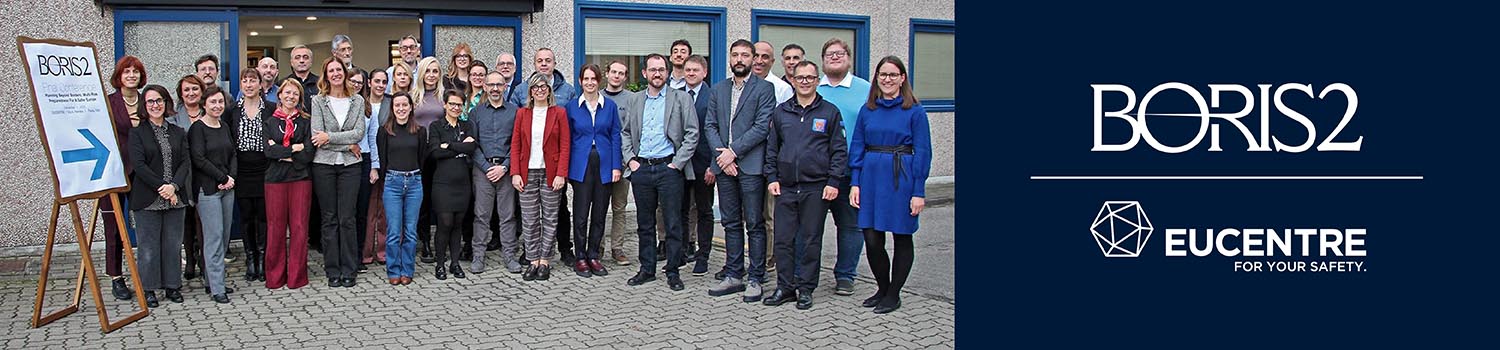
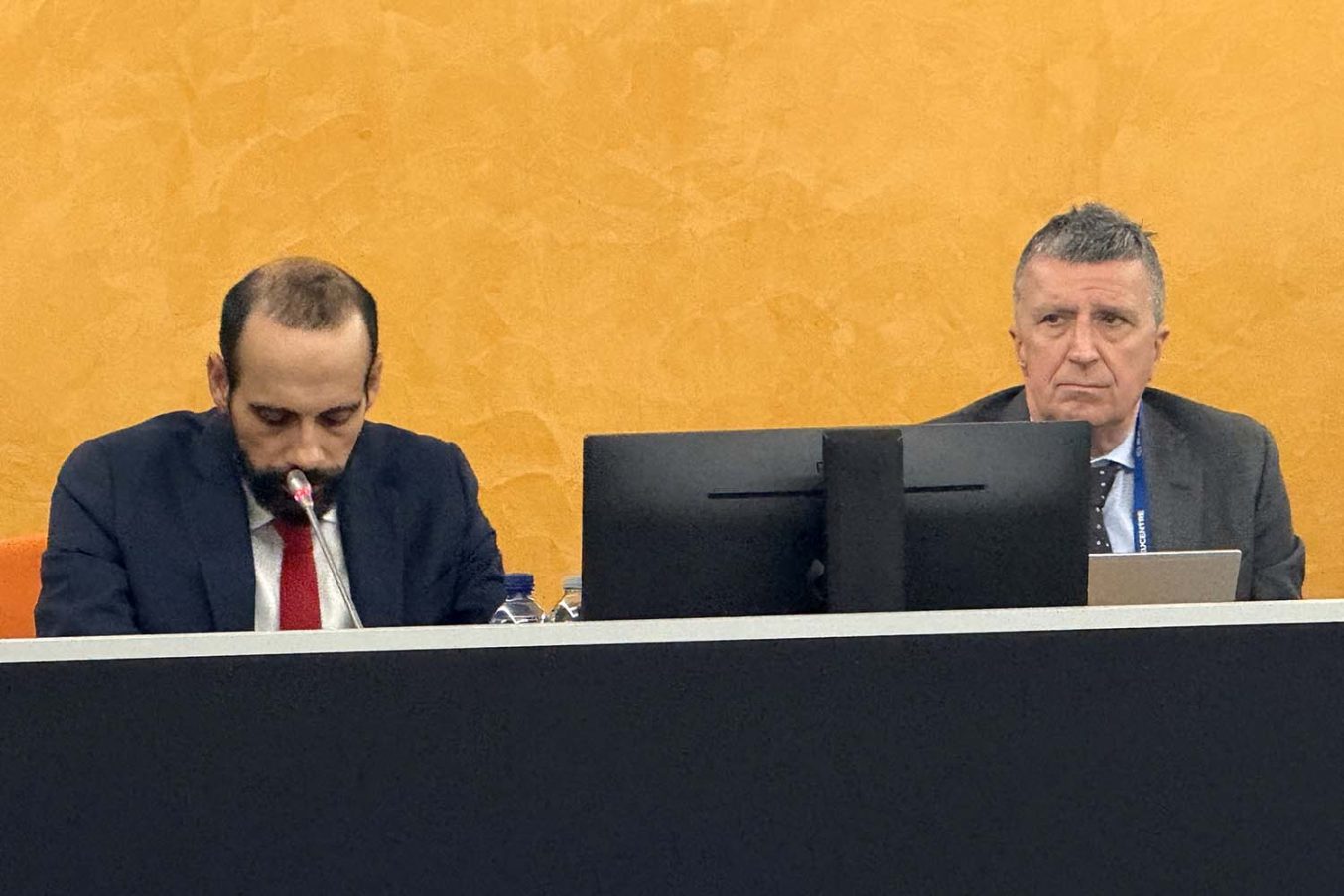
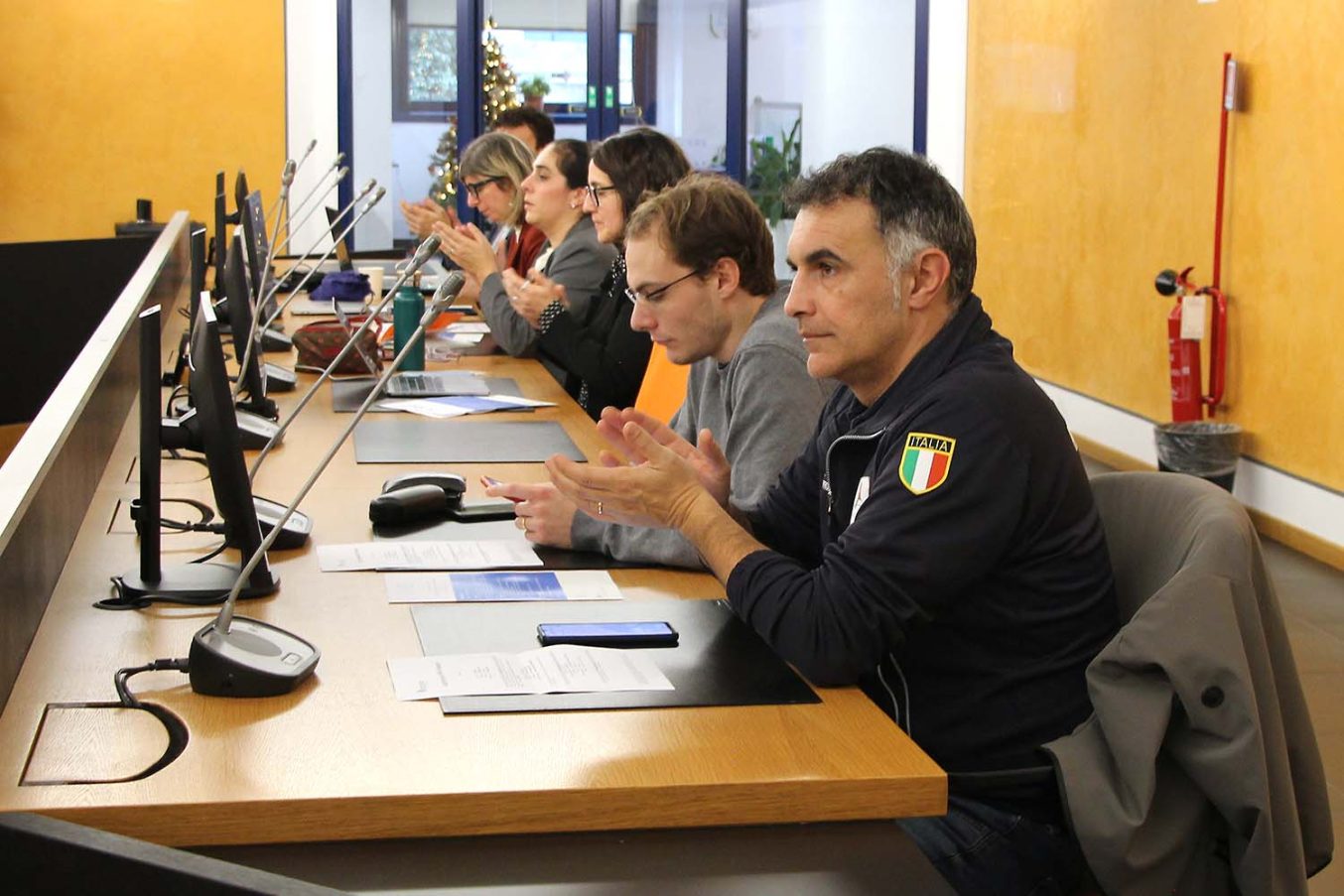
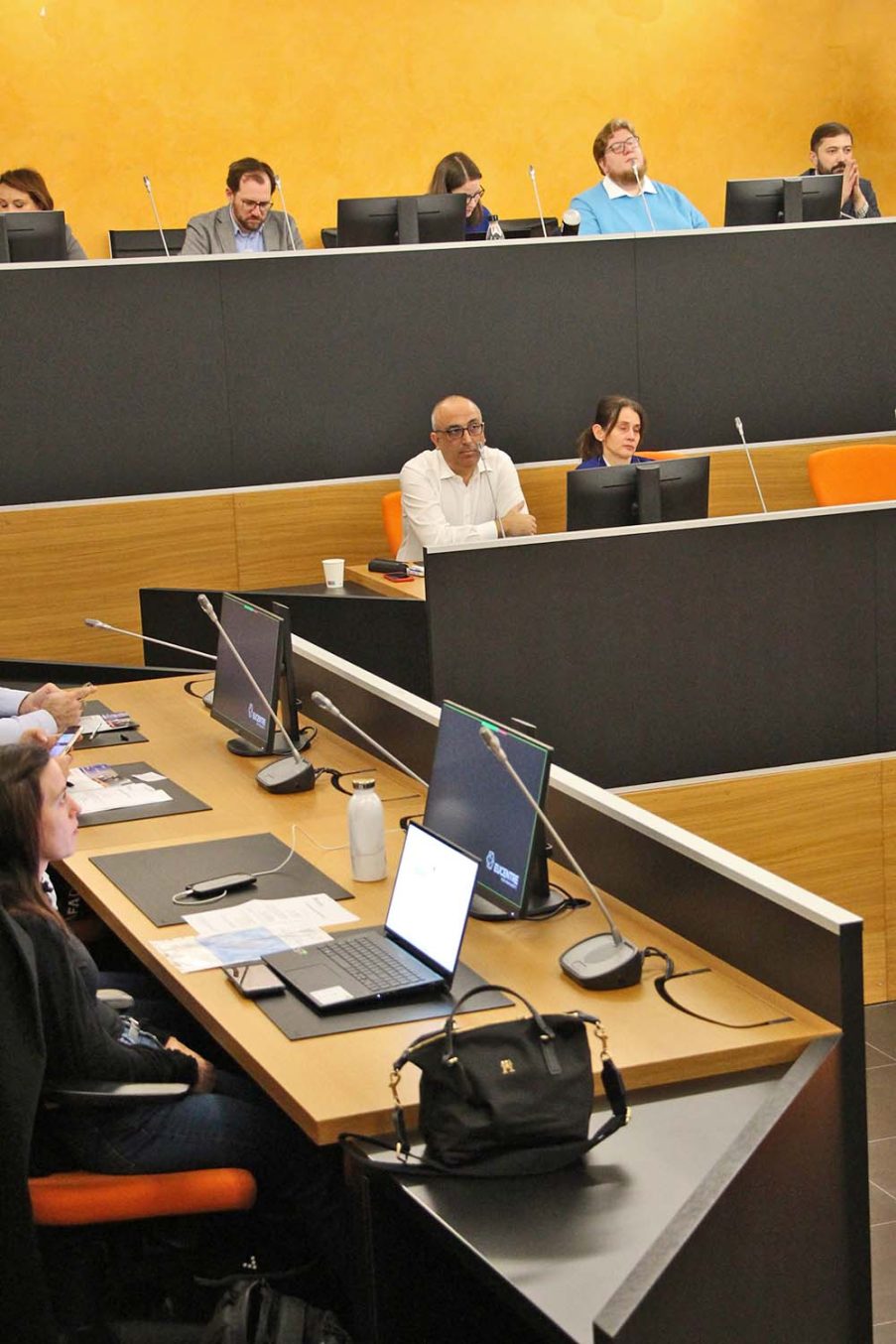
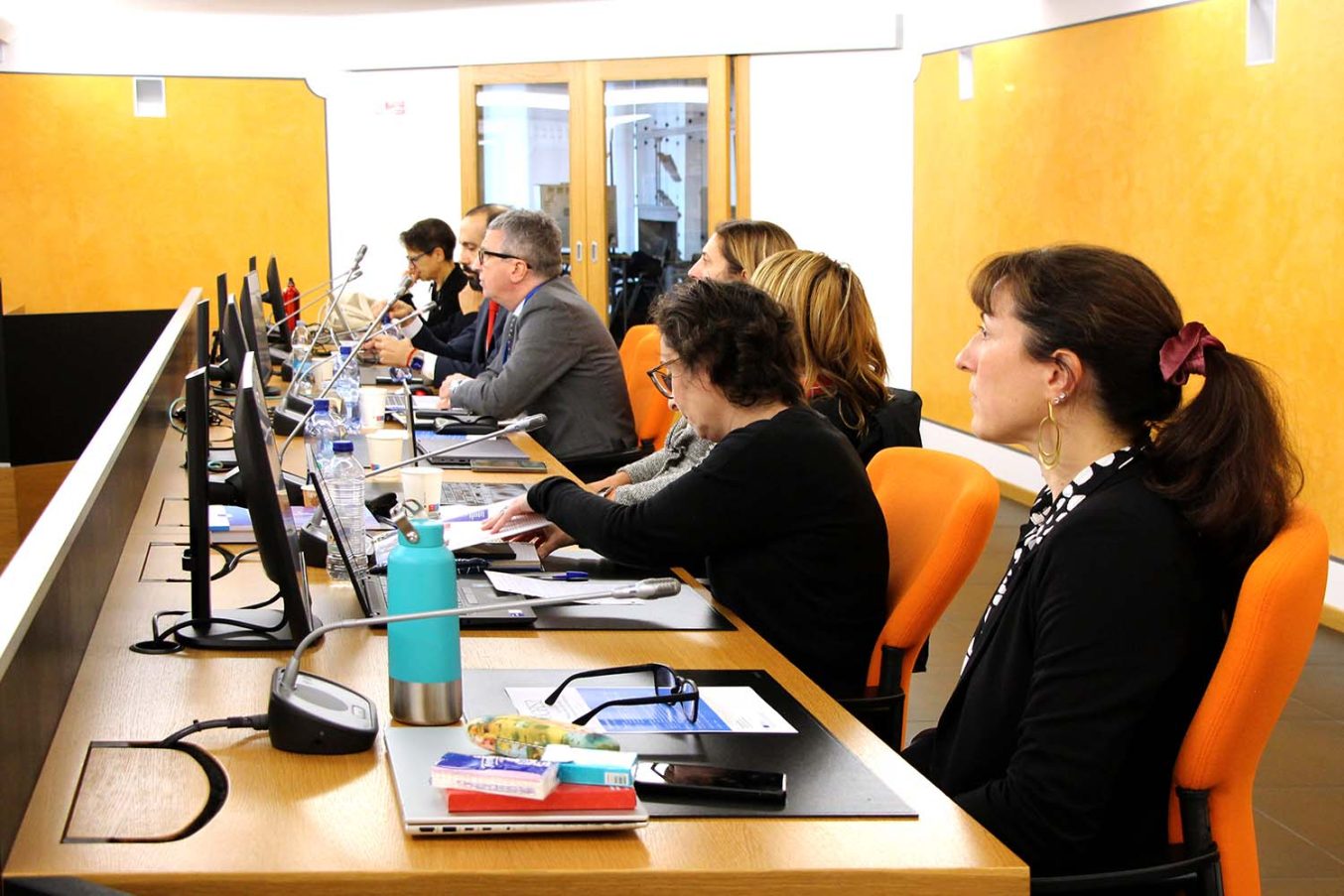
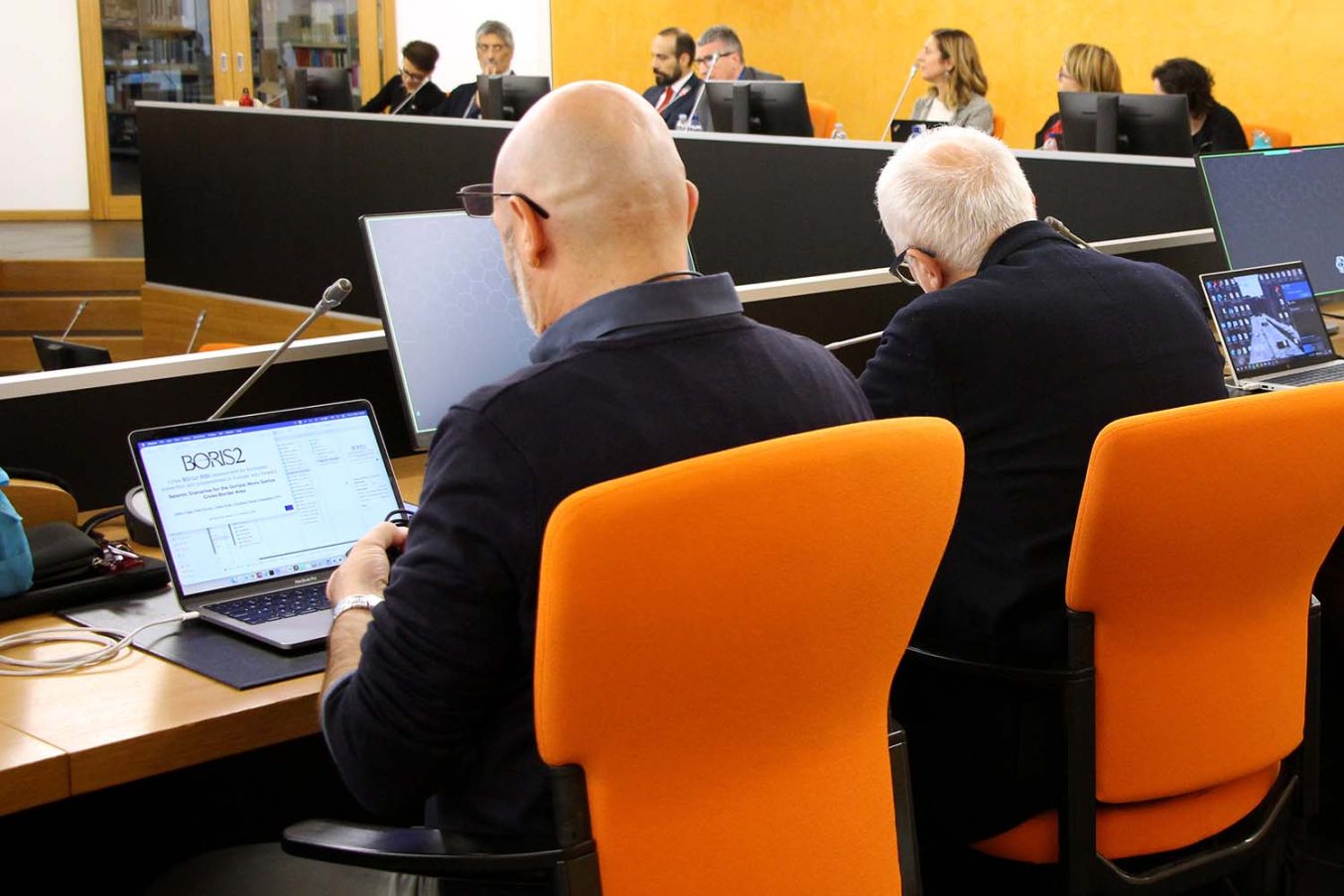
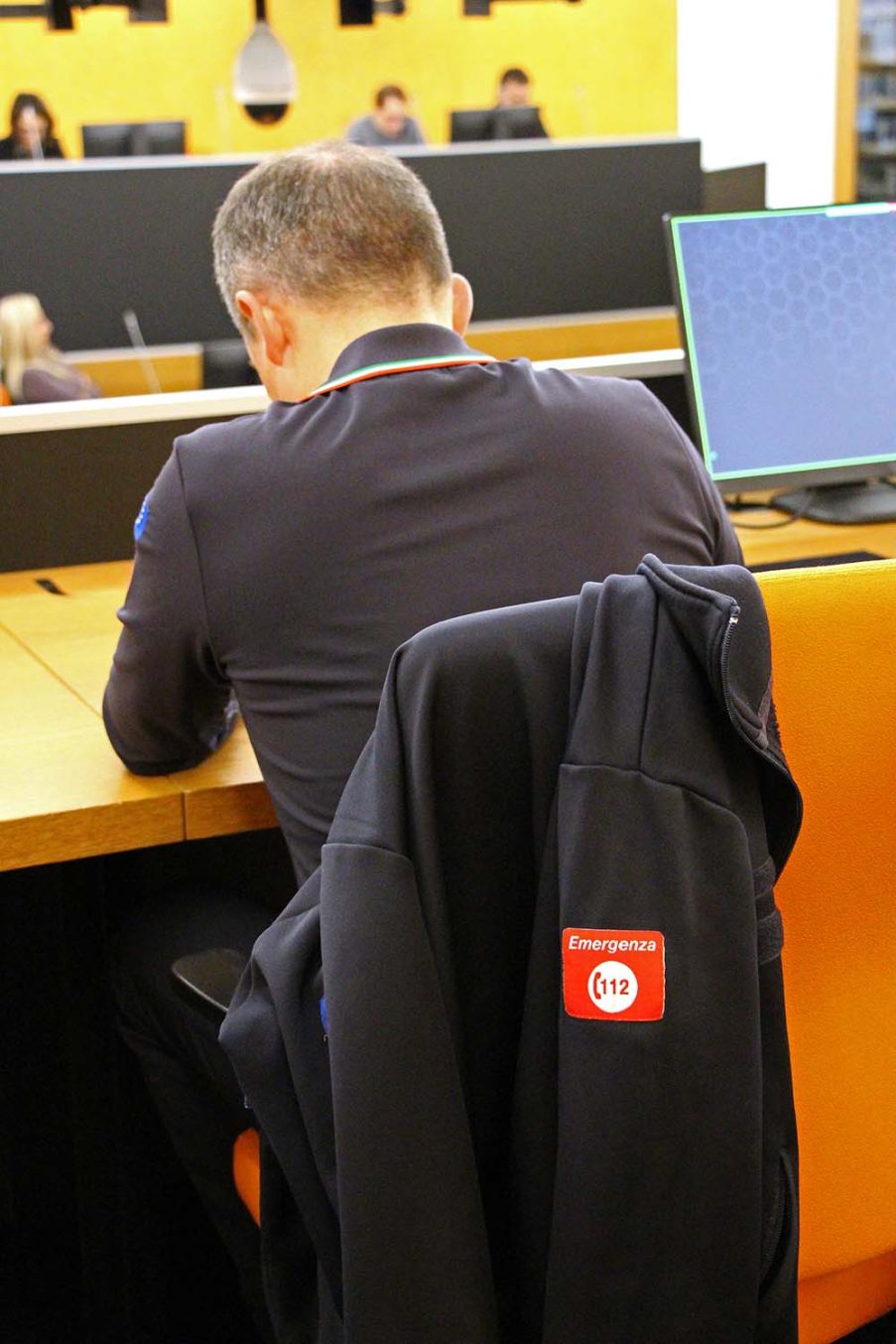
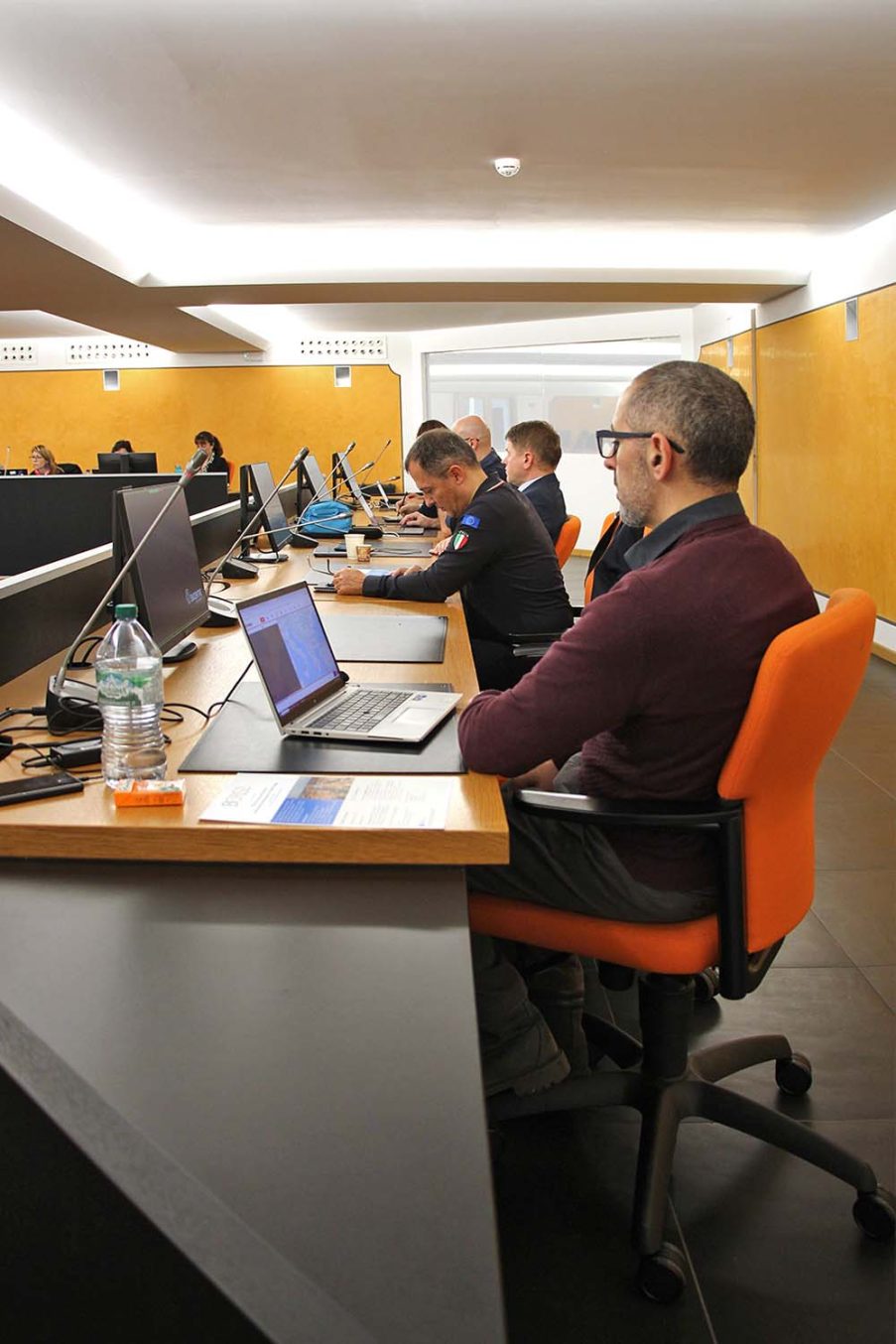
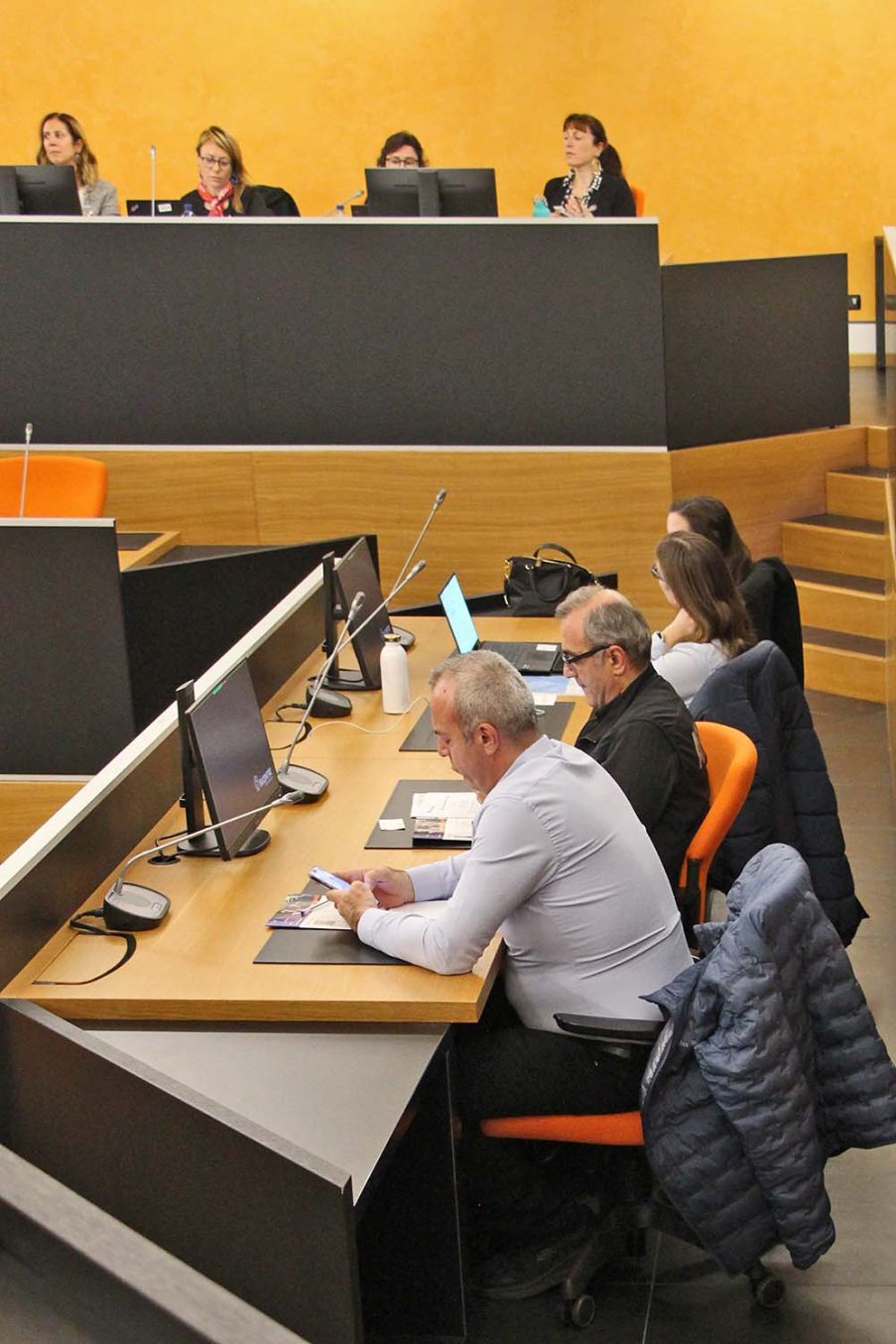
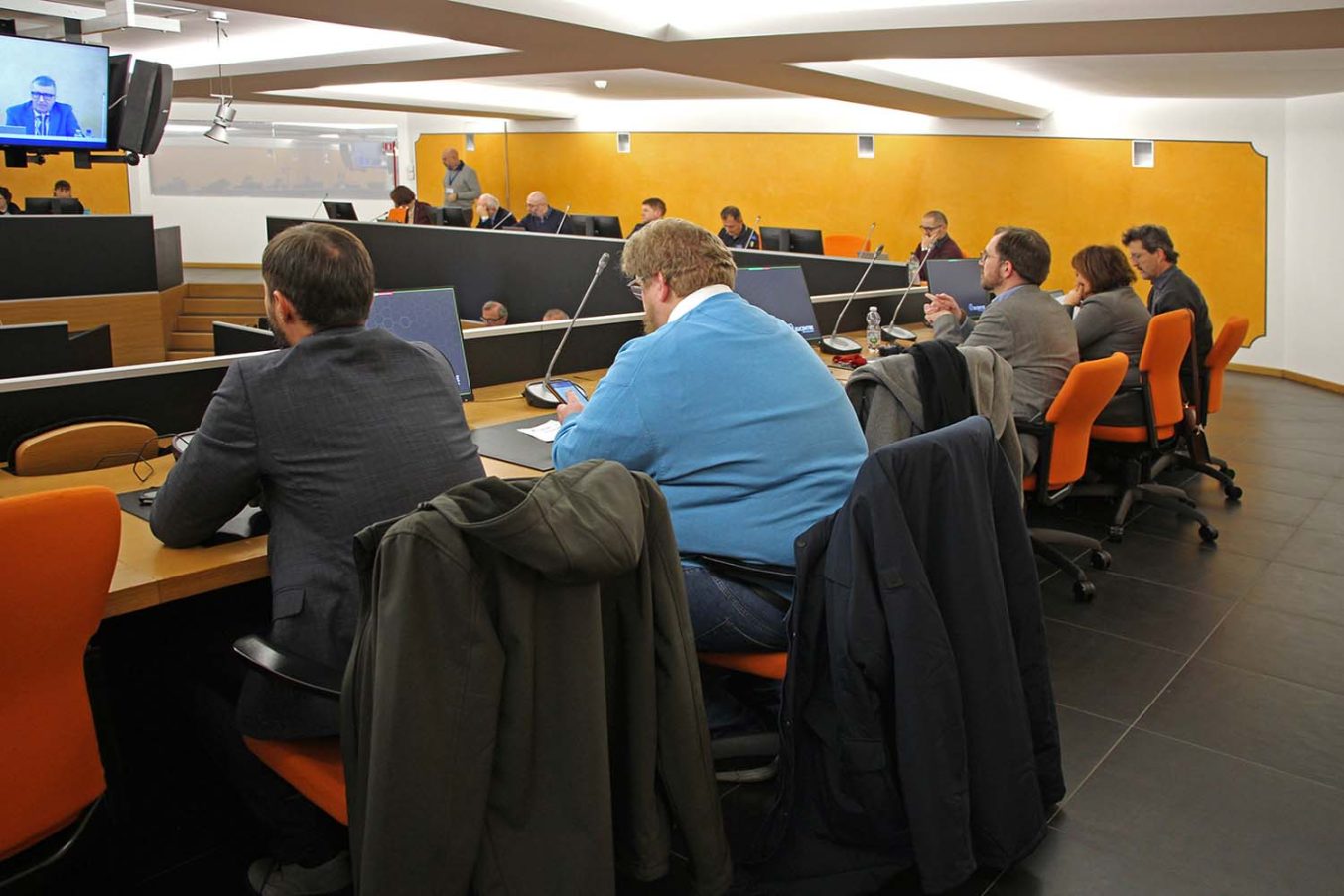
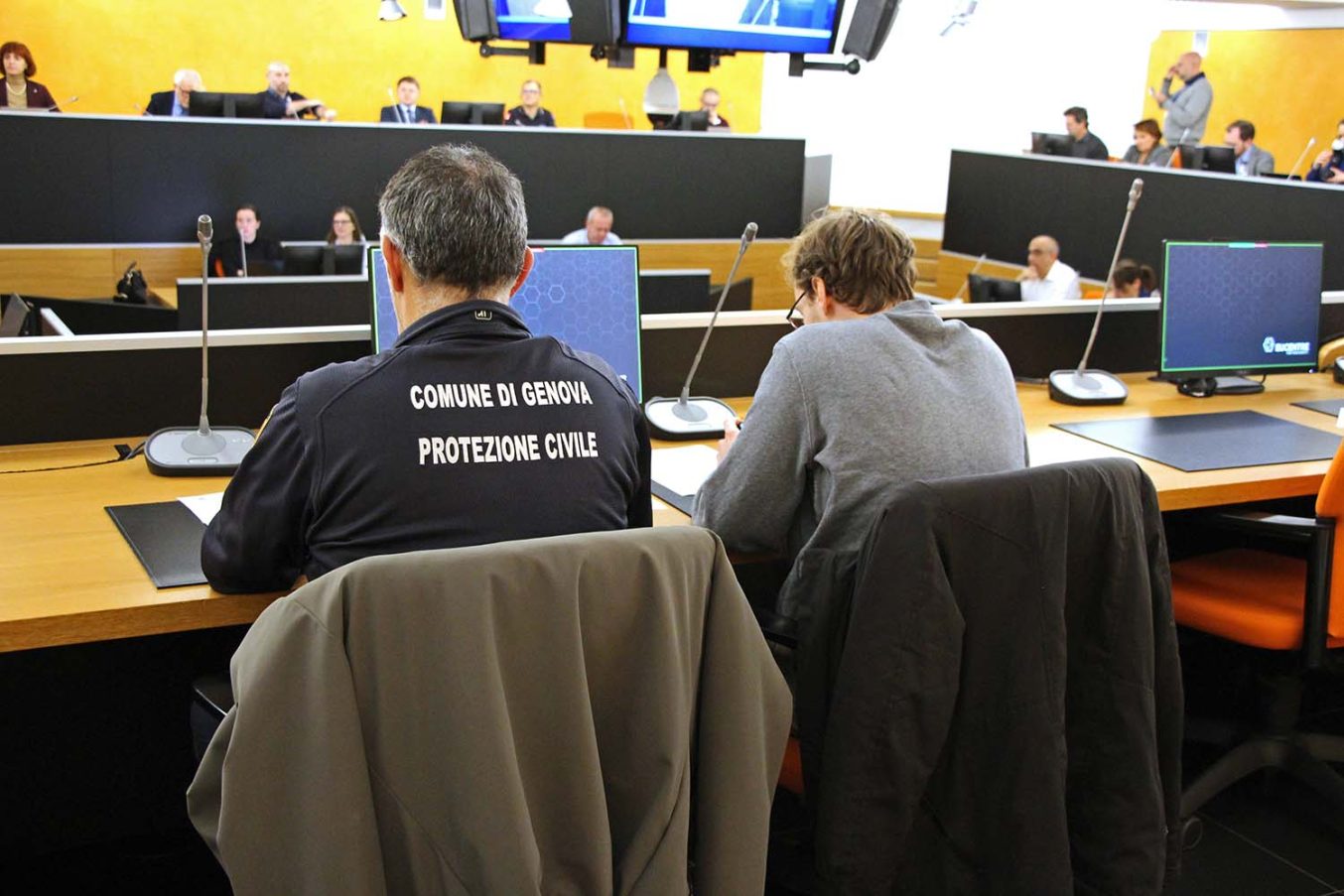
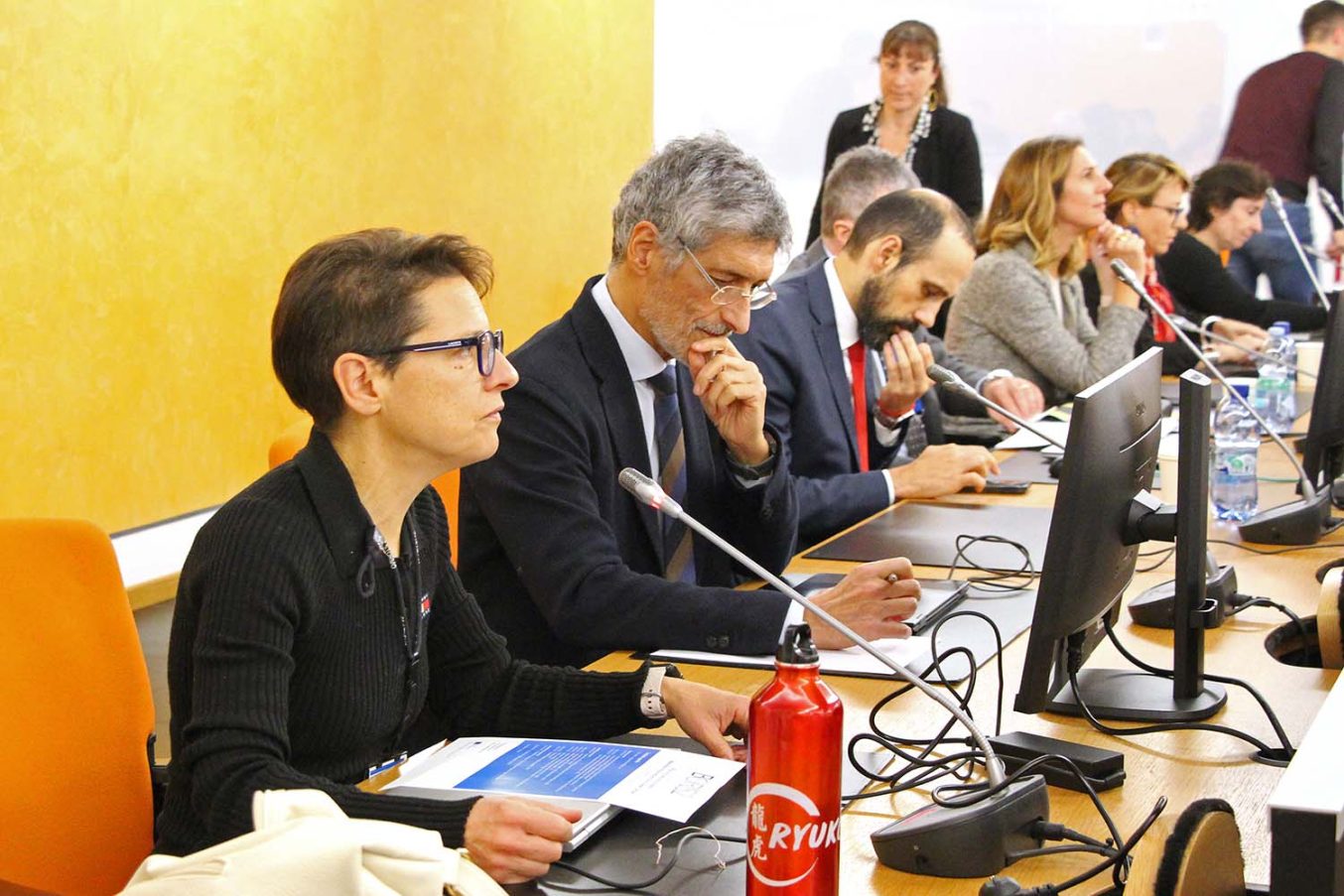
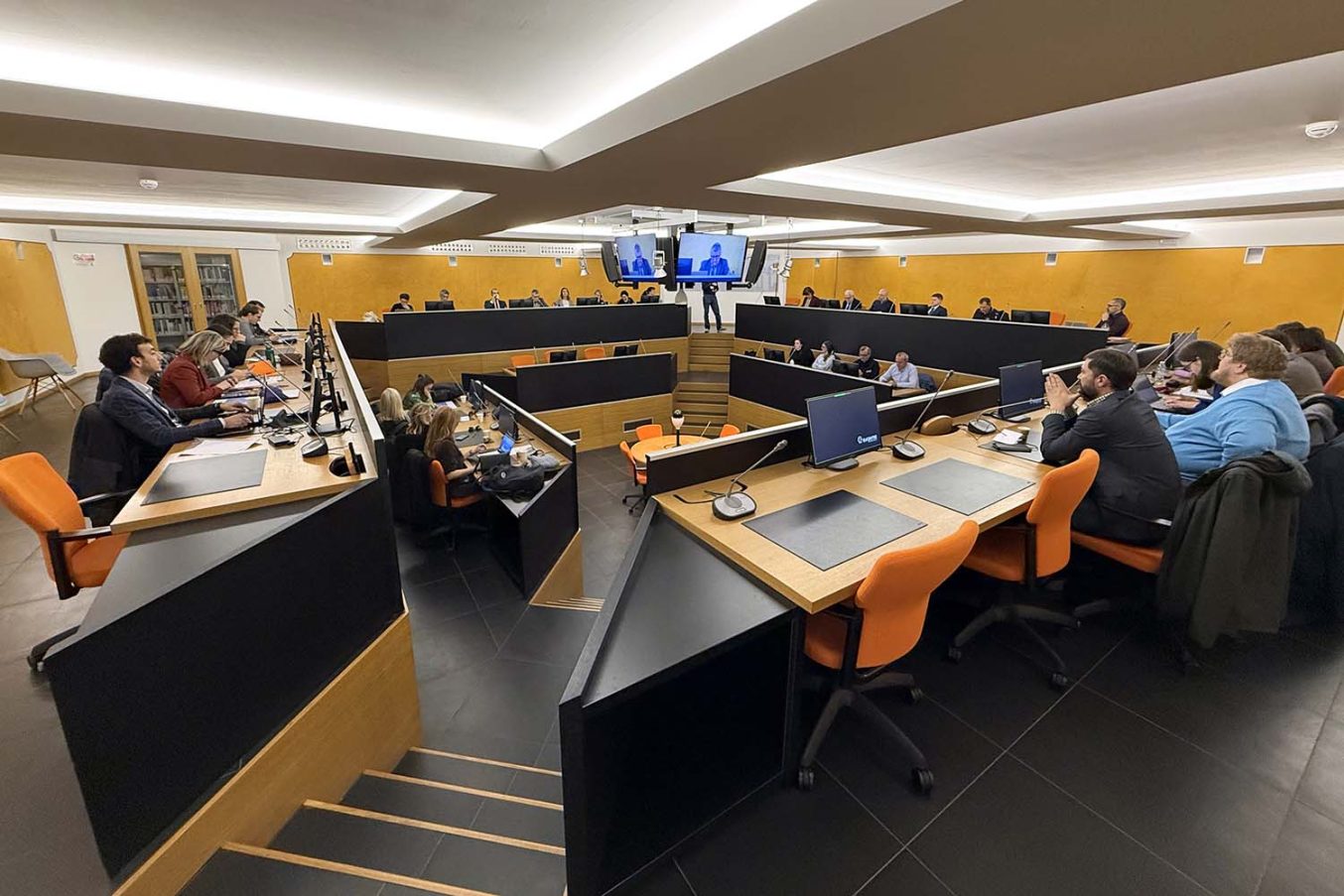
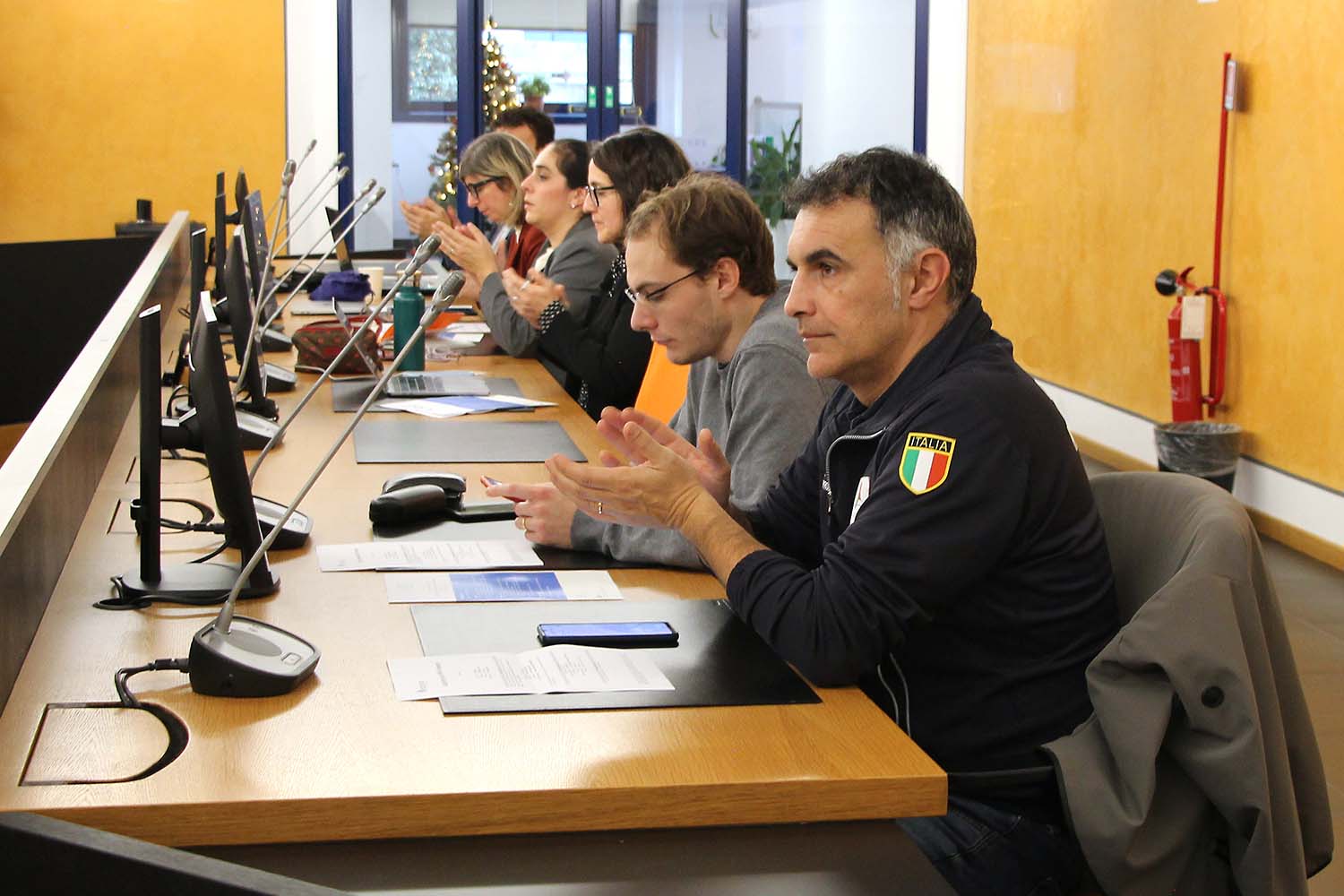
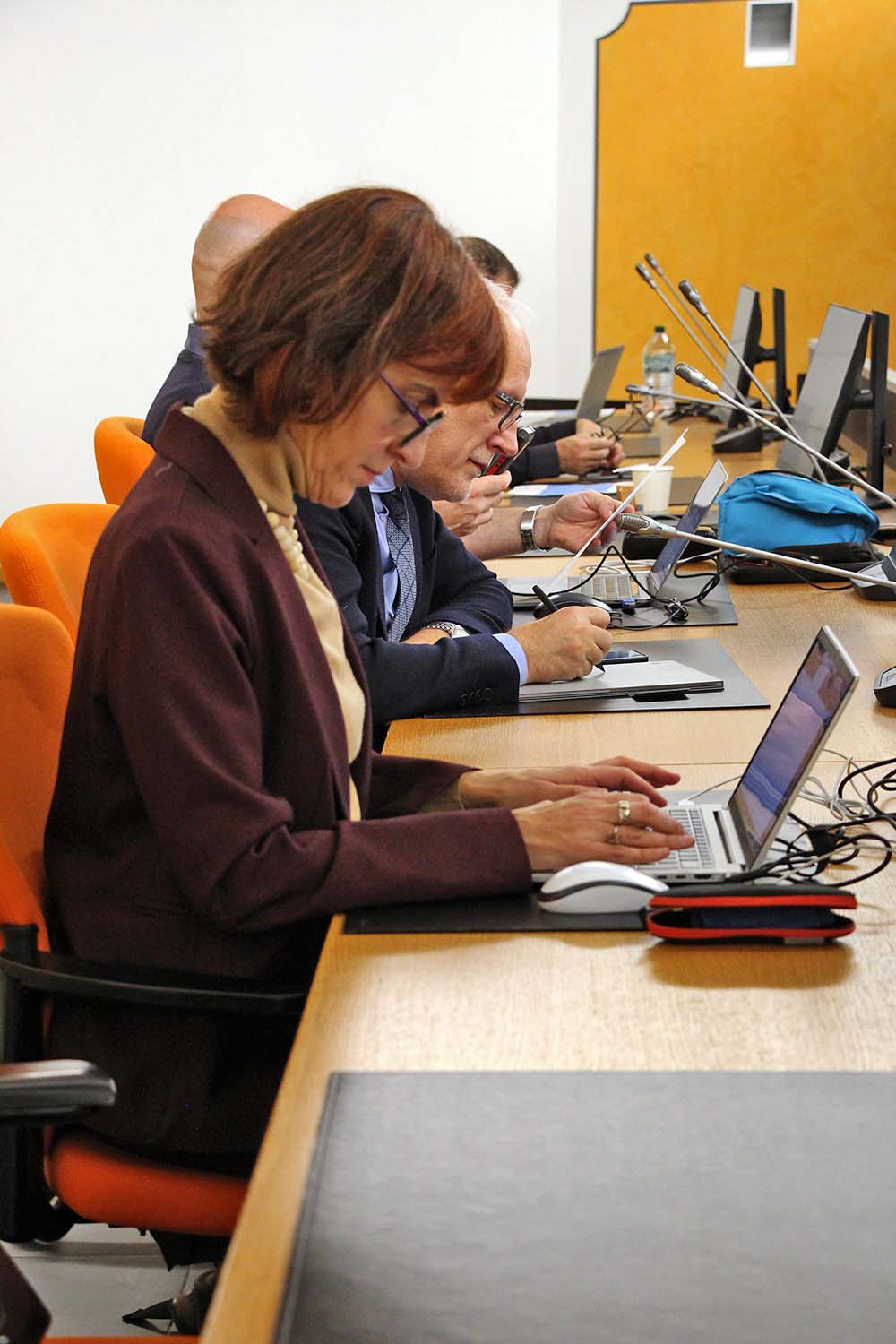
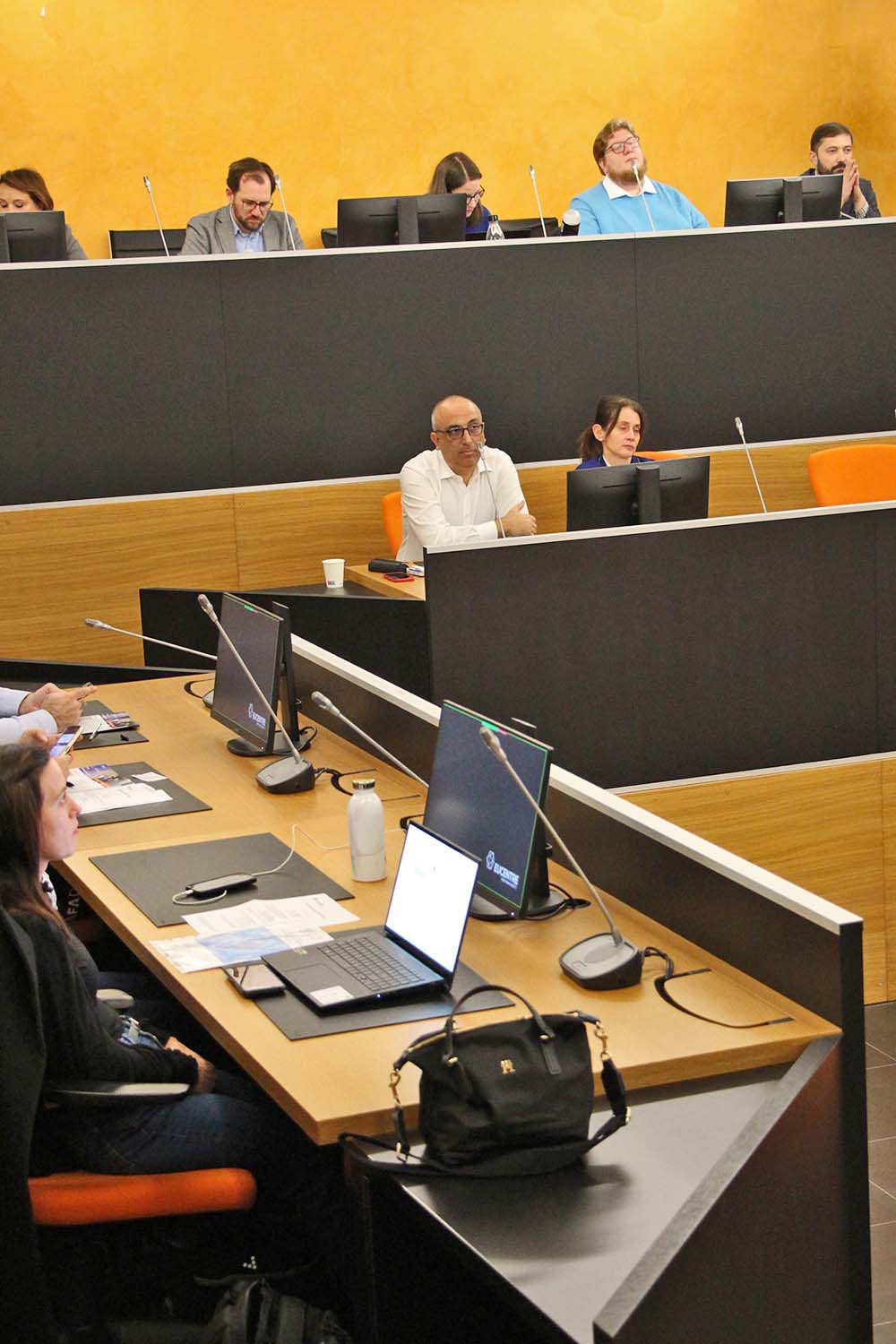
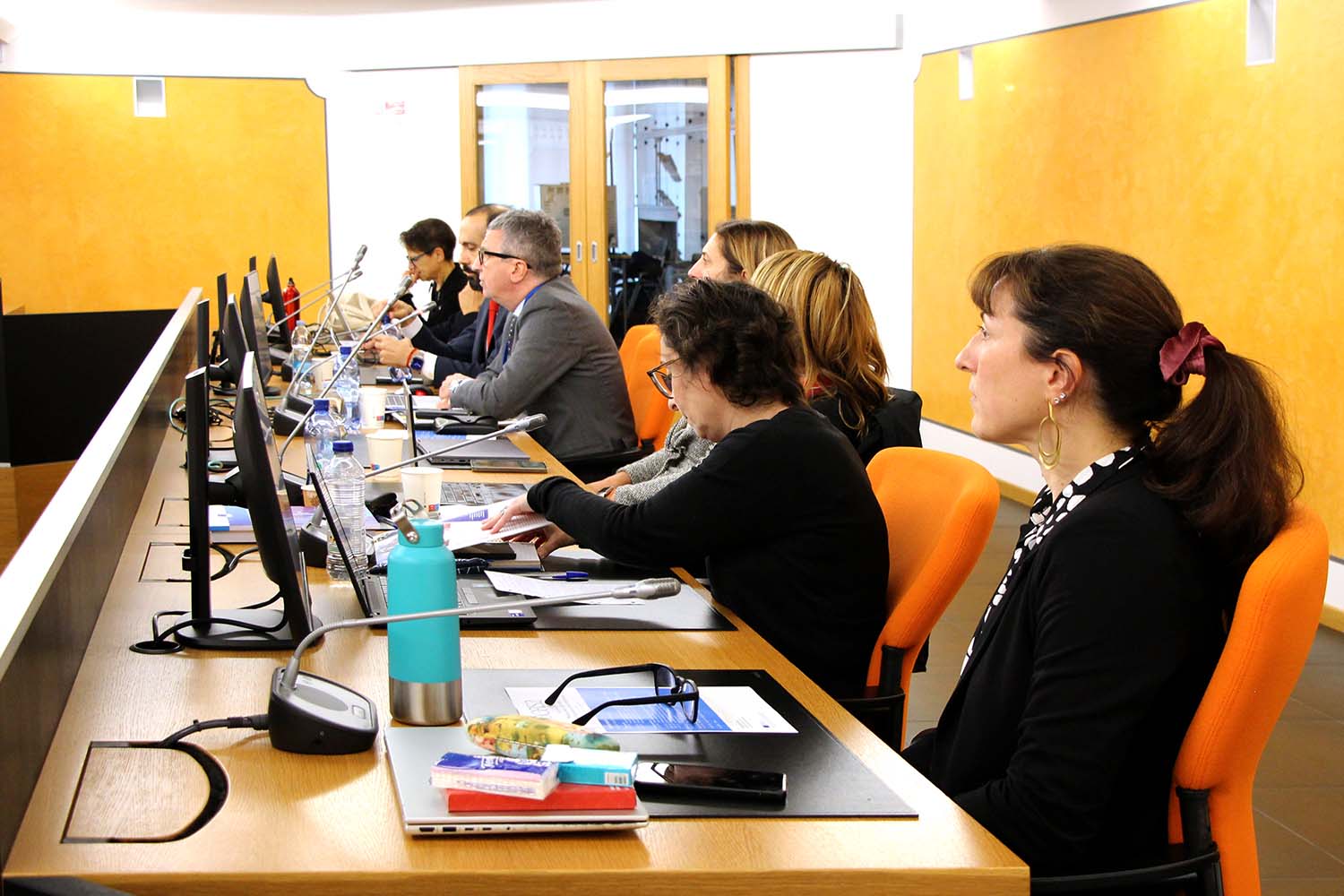
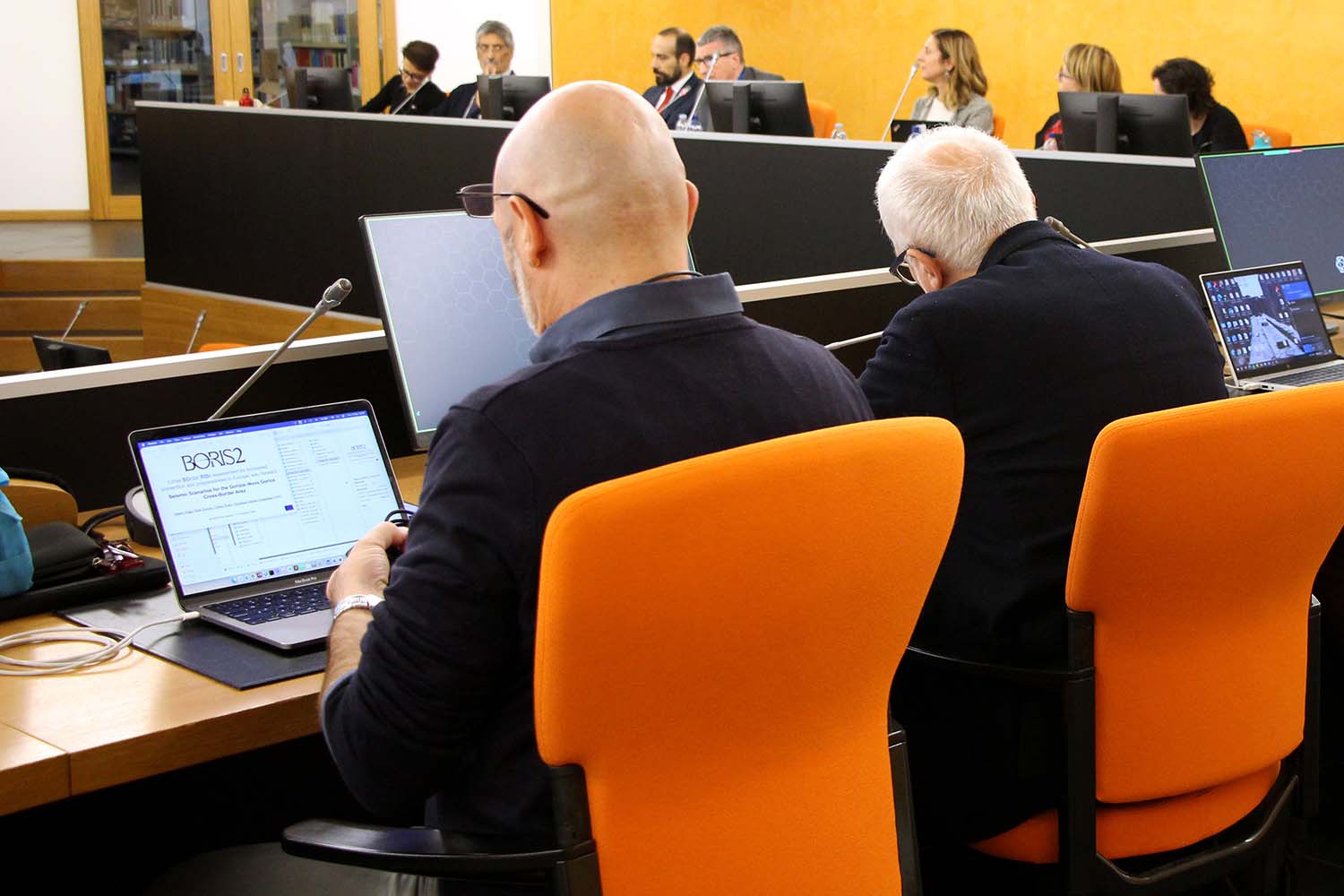
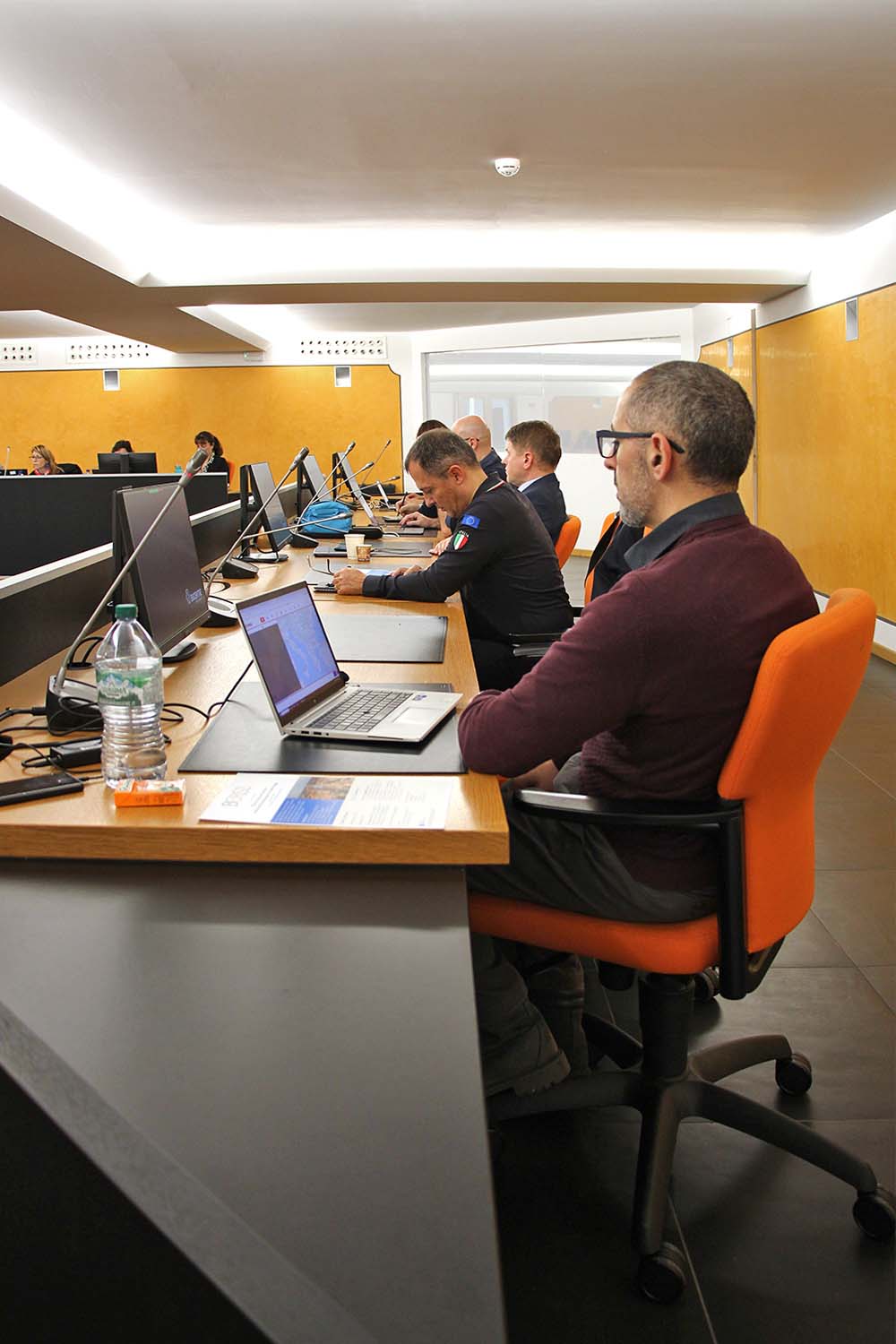
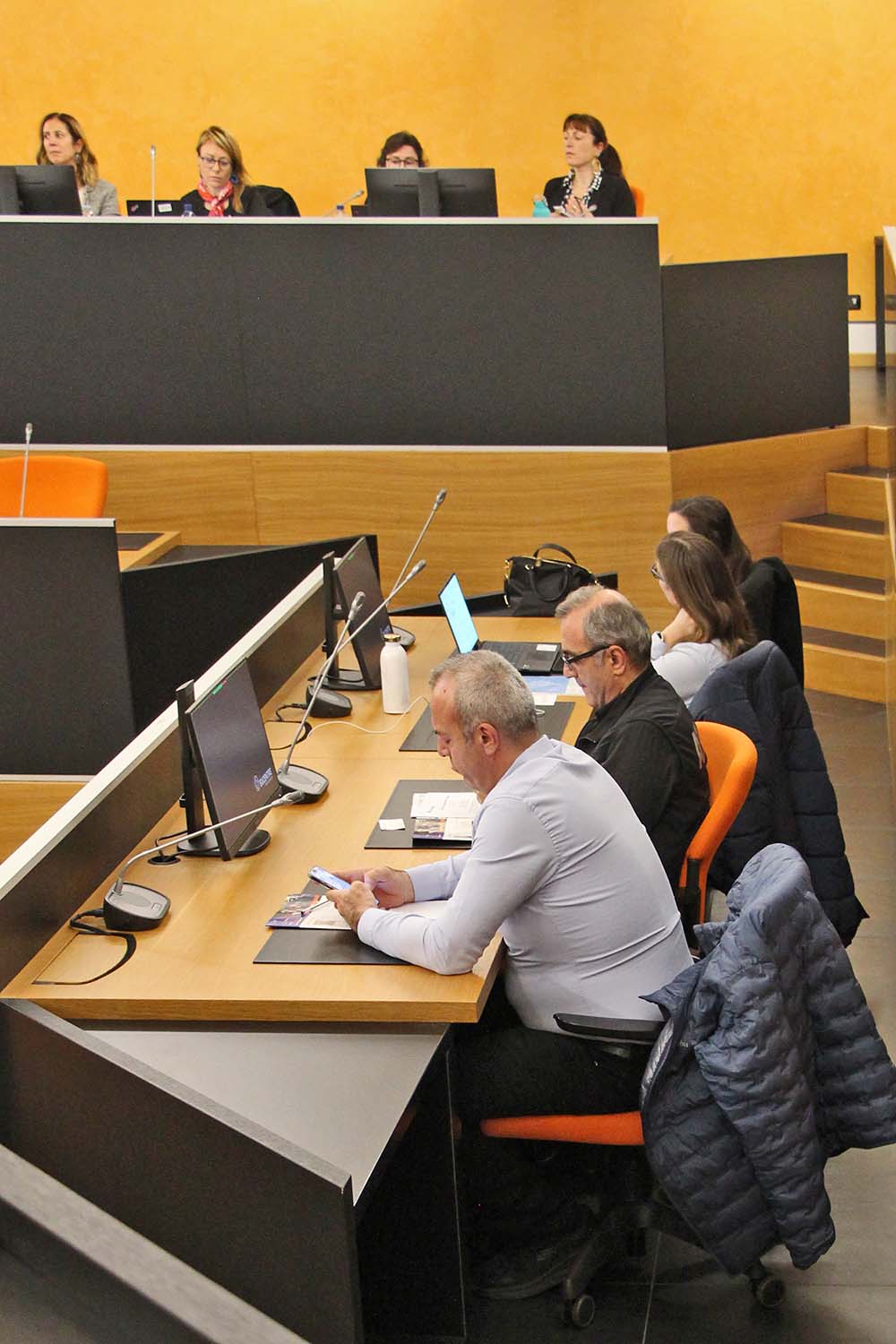
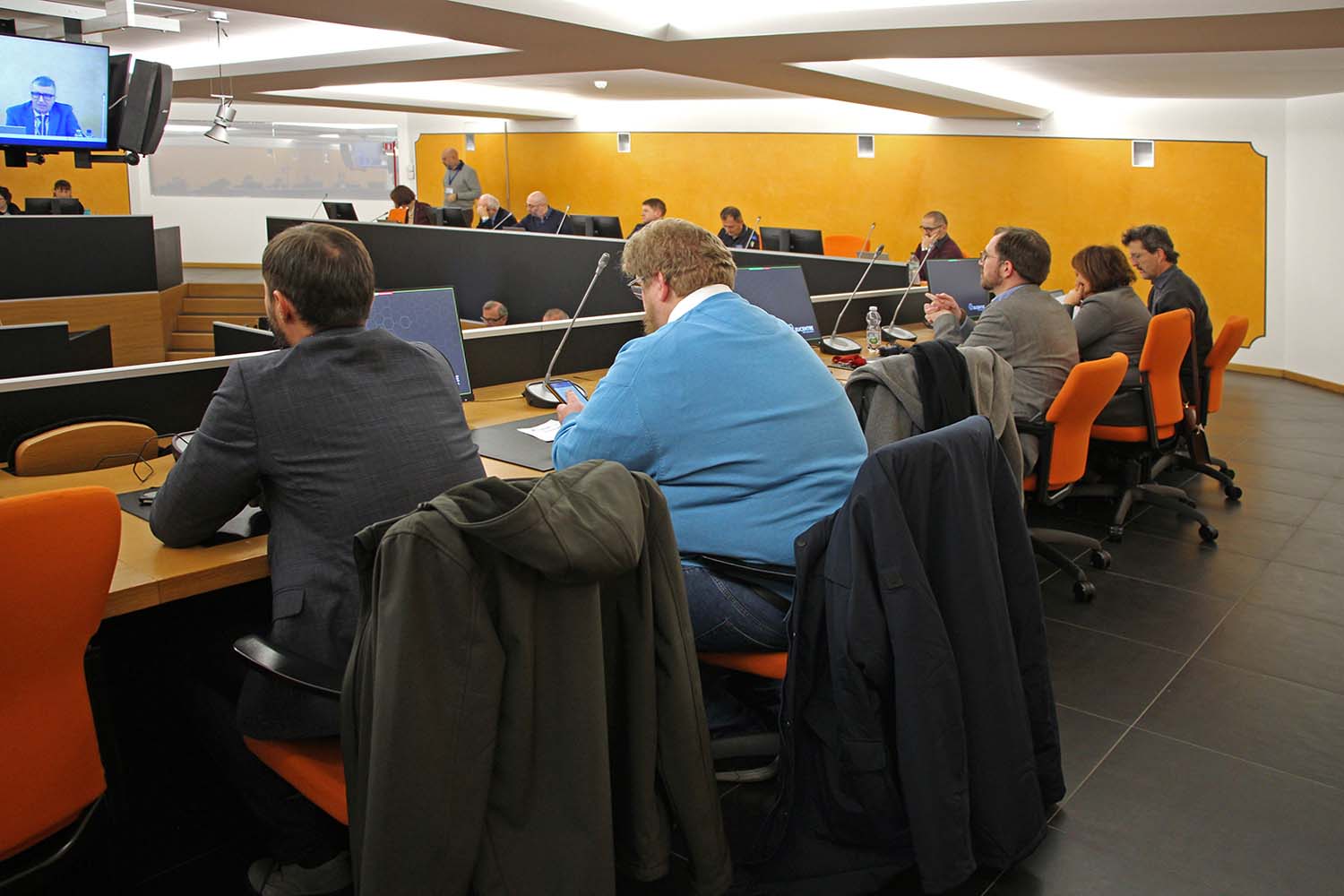
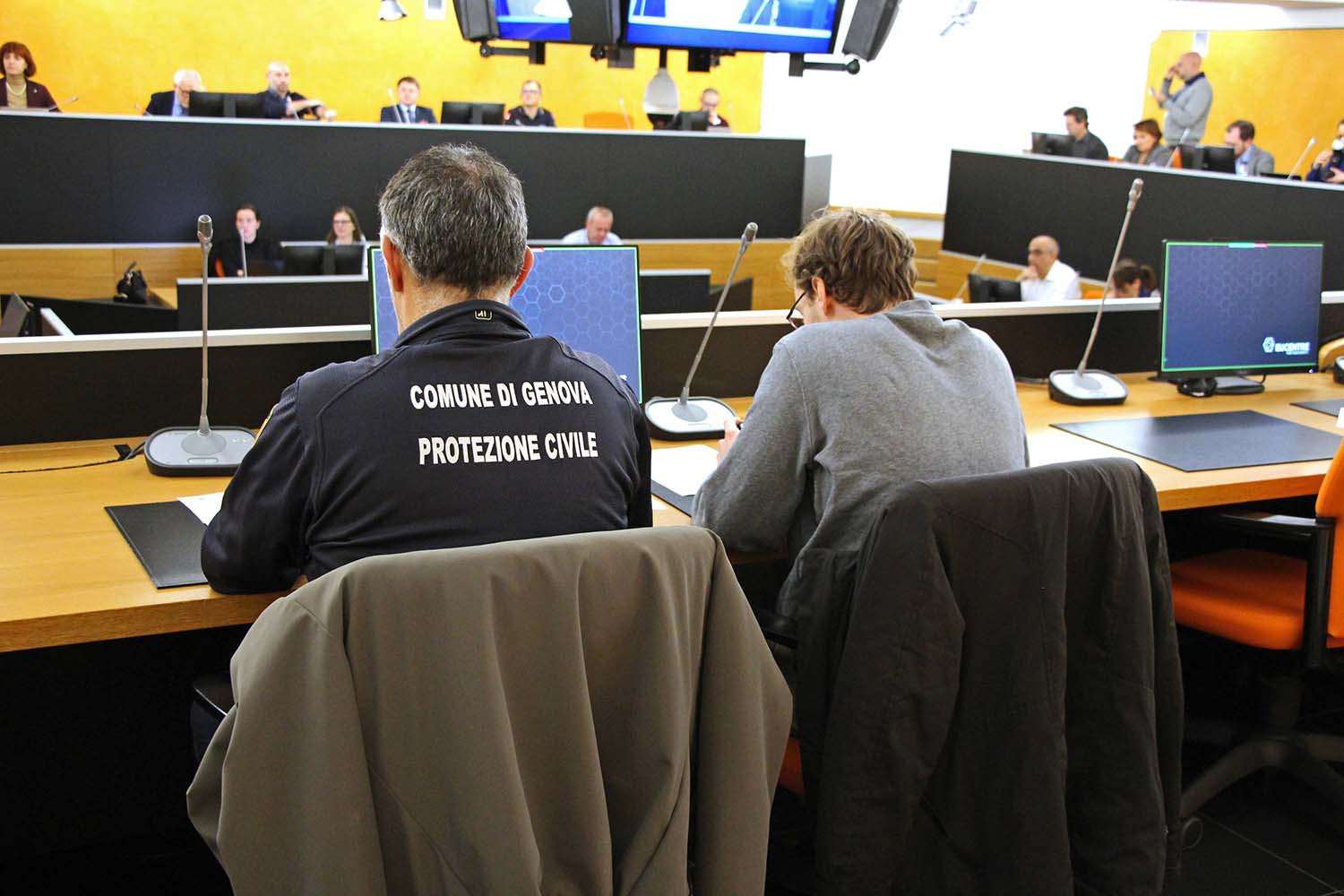
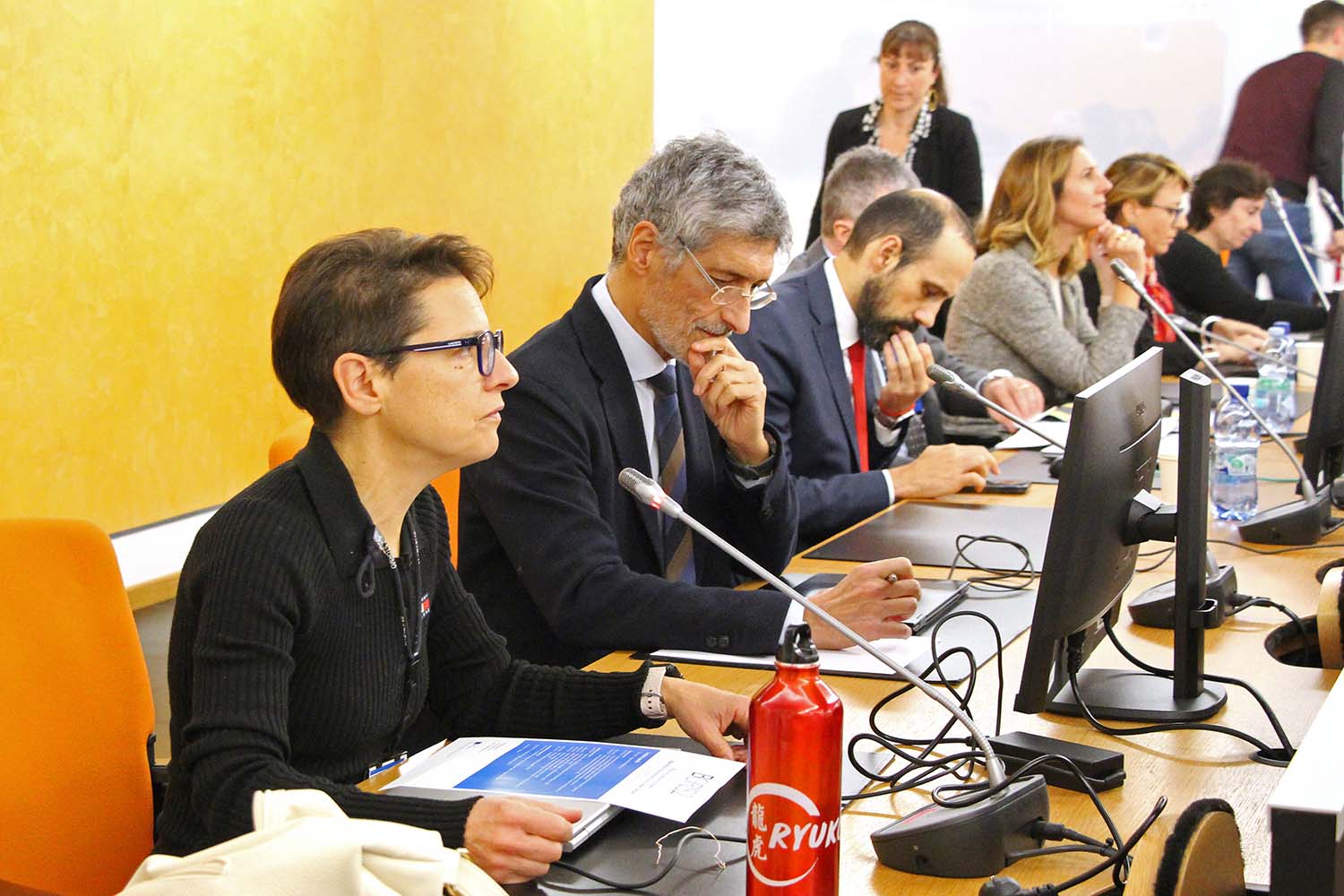
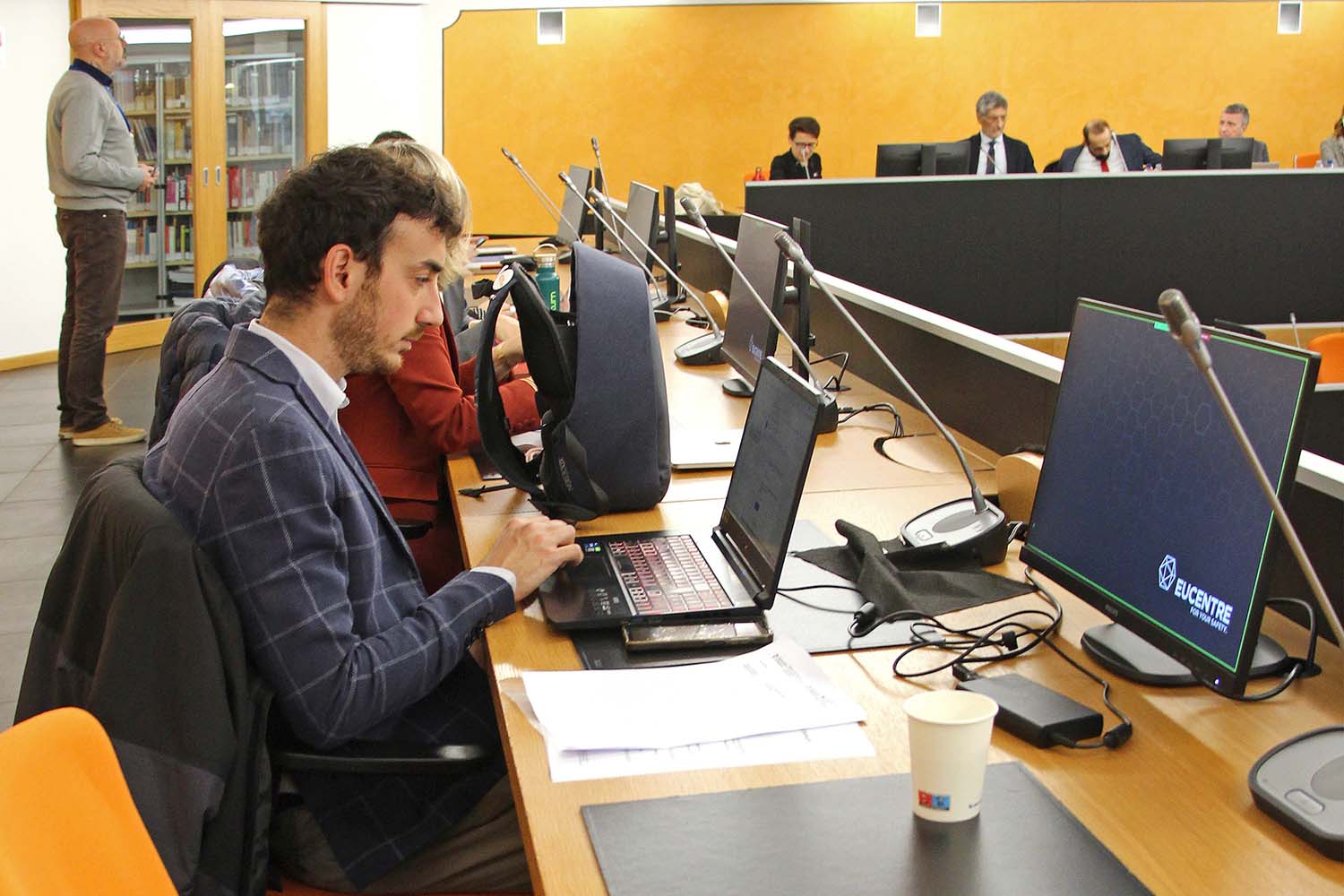
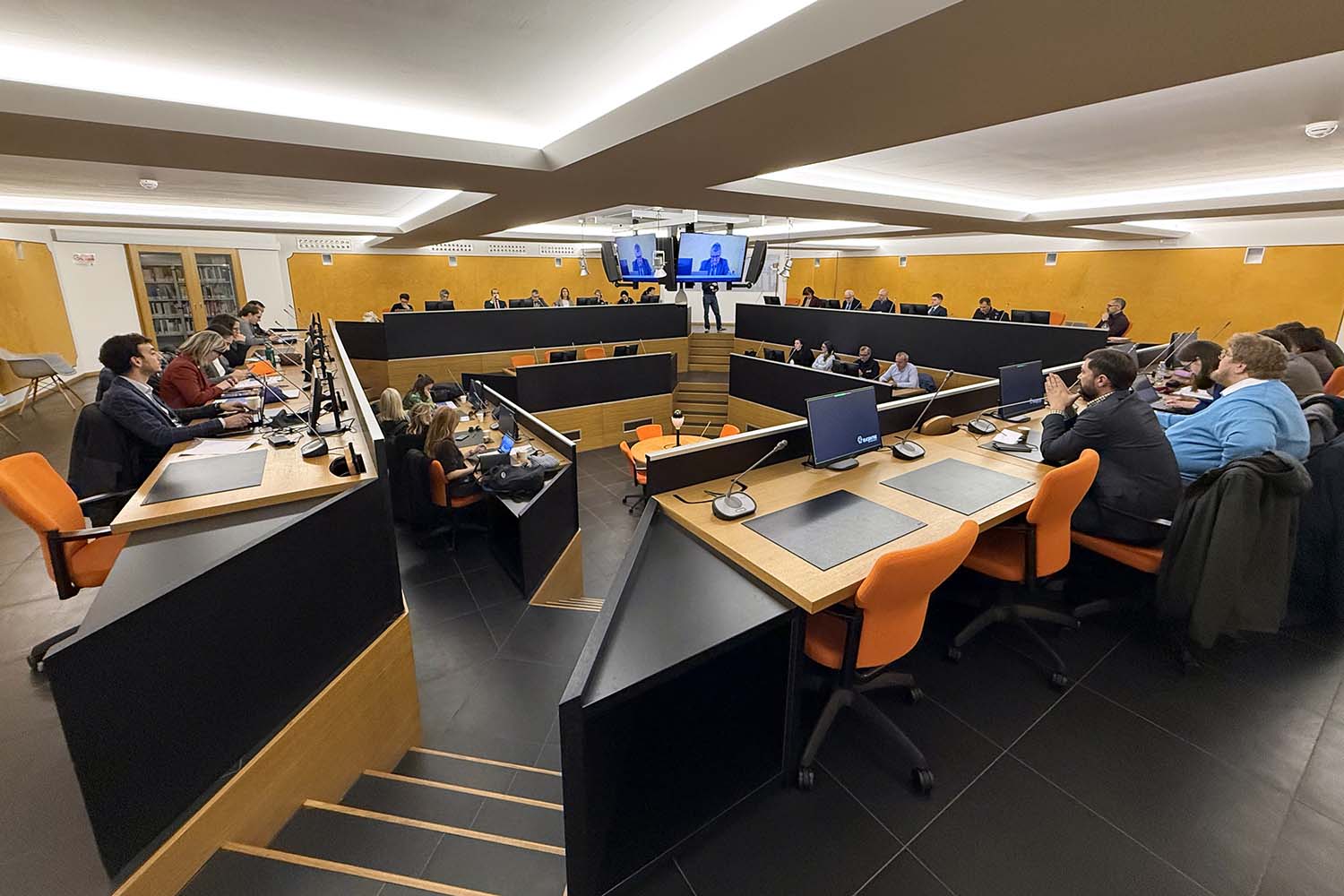
The Eucentre Foundation hosted, in Pavia, on December 11th, 2025, the final conference of BORIS2, a project funded by the Union Civil Protection Mechanism (UCPM) and dedicated to the development of advanced methodologies and tools to improve prevention and preparedness in multi-risk scenarios. The initiative represents the evolution of the previous BORIS project. Stakeholders’ need for more detailed procedures at the sub-municipal level to support emergency planning drives this initiative.
A day of institutional and technical discussion
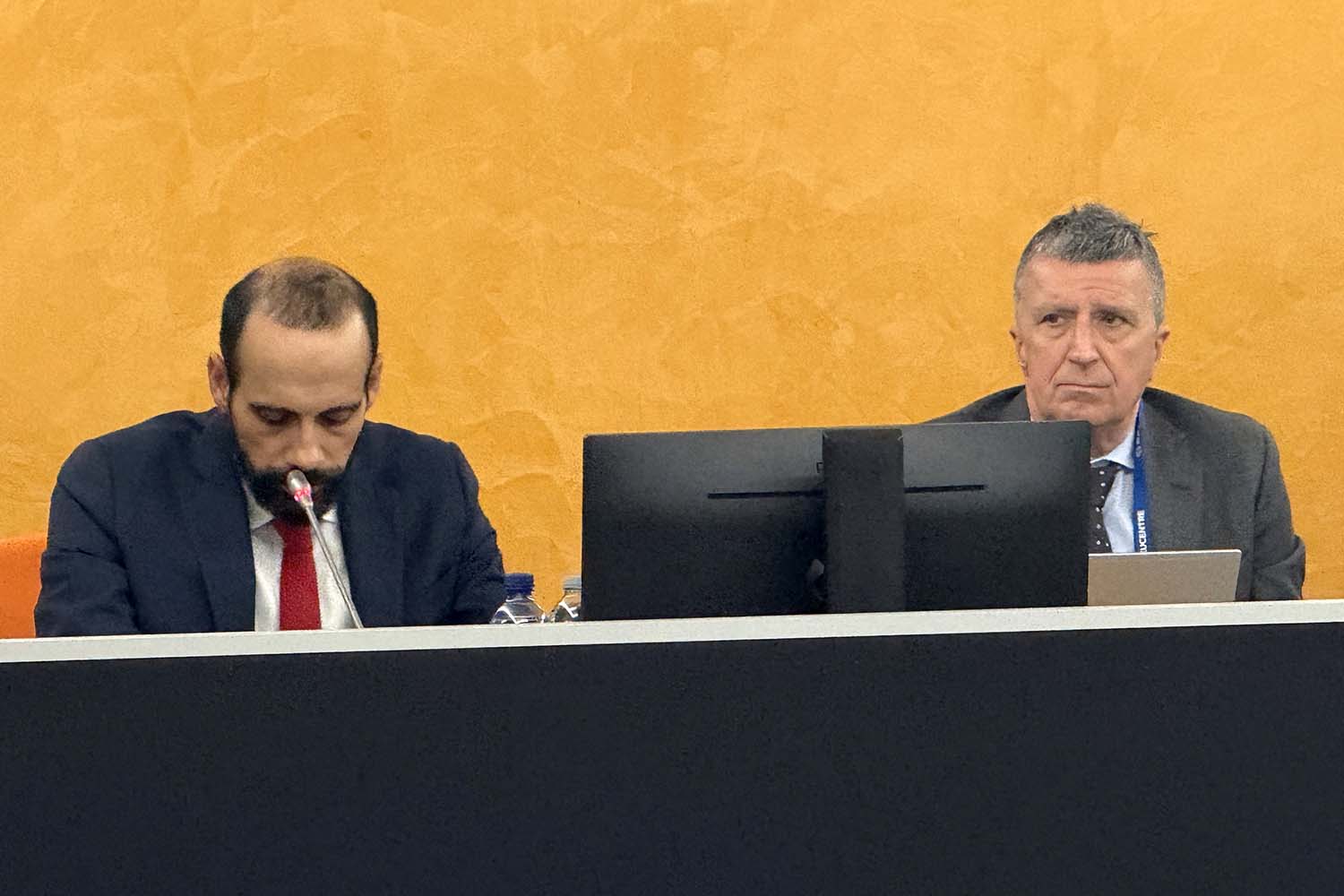
The conference opened with institutional greetings from the Mayor of Pavia, Michele Lissia, the Eucentre Foundation Operations Director, Fabio Germagnoli, and the President of ReLUIS, Mauro Dolce, who highlighted the central role of scientific expertise and international collaboration in strengthening the resilience of European communities. Barbara Borzi (Eucentre) moderated the conference.
Next, Cristina Colaco (DG ECHO) illustrated the capacity-building tools made available by the European Commission to strengthen preparedness for extreme events. At the same time, Azzurra Lentini (Joint Research Centre) presented the evolution of the knowledge base for disaster risk management in Europe, from risk analysis to preparedness.
BORIS2’s technical contribution: methodology, tools and pilot applications
The central session of the day was devoted to the project’s technical results. Maria Polese (CI3R), project co-ordinator, and Johanna Zweiger (DCNA) presented the overall structure of BORIS2, illustrating the progress made compared to the previous project and the new objectives achieved in terms of interoperability and emergency planning support.
Daria Ottonelli (CI3R) and Secer Keskin (TED University) presented the main criticalities and gaps found in current practices. At the same time, Matjaž Dolšek (University of Ljubljana) illustrated the methodology developed in BORIS2 to extend risk analysis to the submunicipal level, including multi-hazard scenarios and interdependencies between critical infrastructures.
Serena Cattari (CI3R) presented the operational tools developed in BORIS2 for assessing the performance of the emergency system. At the same time, Valerio Poggi (CI3R), René Kastner (Disaster Competence Network Austria), and Milena Ostojić (University of Montenegro) illustrated the three pilot applications developed in the project, which are fundamental for verifying the replicability, robustness, and practical usefulness of the approach.
The session dedicated to illustrating the project results ended with a speech by Marta Faravelli (CI3R), who presented the new BORIS2 platform, which integrates the project’s methodological results and their application in the pilot areas.
Roundtable and future perspectives
The day ended with a roundtable discussion moderated by Mauro Dolce (ReLUIS) that included invited stakeholders from several European countries (Austria, Slovenia, Montenegro, Turkey, and Italy). The discussion highlighted the added value of a harmonised approach to multi-hazard risk assessment and the importance of cross-border cooperation, especially in areas characterised by shared infrastructure or natural phenomena with supranational dynamics.
The contributions that emerged underlined how BORIS2 represents a significant step towards more effective tools to support strategic decisions in emergency planning. The possibility of applying the methodology at the sub-municipal scale, together with the integration of critical infrastructure and multi-hazard assessment, enables more precise identification of the most vulnerable urban areas and operational priorities.
An interoperable platform for Europe
The final results of BORIS2 have been integrated into the platform of the same name, which serves as a tool for administrations, civil protection authorities, and technical bodies across different national contexts. The project thus offers a shared methodological basis and replicable operational tools, helping to improve prevention, preparedness, and response capacity across Europe.
CI3R coordinated BORIS2 – Italian Centre for Research on Risk Reduction, with the participation of partners from Slovenia, Austria, Montenegro, and Turkey, and with UCPM funding of 854,163.21 euros.