Eucentre is a non-profit private law foundation whose mission is to conduct research and provide training and services in earthquake and safety engineering
  Eucentre promotes science, research and innovation for the benefit of the community, offering targeted methodologies and concrete solutions for prevention, safety and resilience. It collaborates with institutions and companies to disseminate competencies for the common good.
 Eucentre conducts earthquake engineering research and risk reduction studies via laboratory testing and numerical analysis to enhance seismic performance and develop innovative solutions
  Eucentre carries out research activities in earthquake engineering and risk reduction through laboratory testing and numerical analysis, aiming to improve the seismic performance of structures and soils and to develop innovative seismic retrofitting techniques.
 The Foundation promotes diverse and high-quality training activities aimed at academic and professional contexts, with constantly updated and innovative programs and initiatives designed to meet the evolving needs of the sector and society
  Eucentre ensures communication aimed at informing institutions, professionals, and citizens about ongoing activities and projects, with the goal of disseminating useful and accessible content and knowledge. It contributes to promoting a shared and informed culture of prevention and resilience.
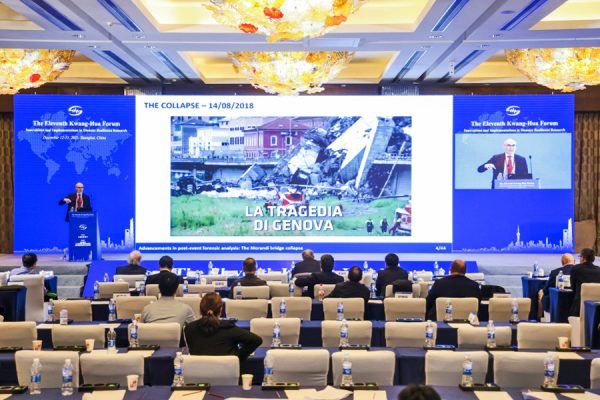
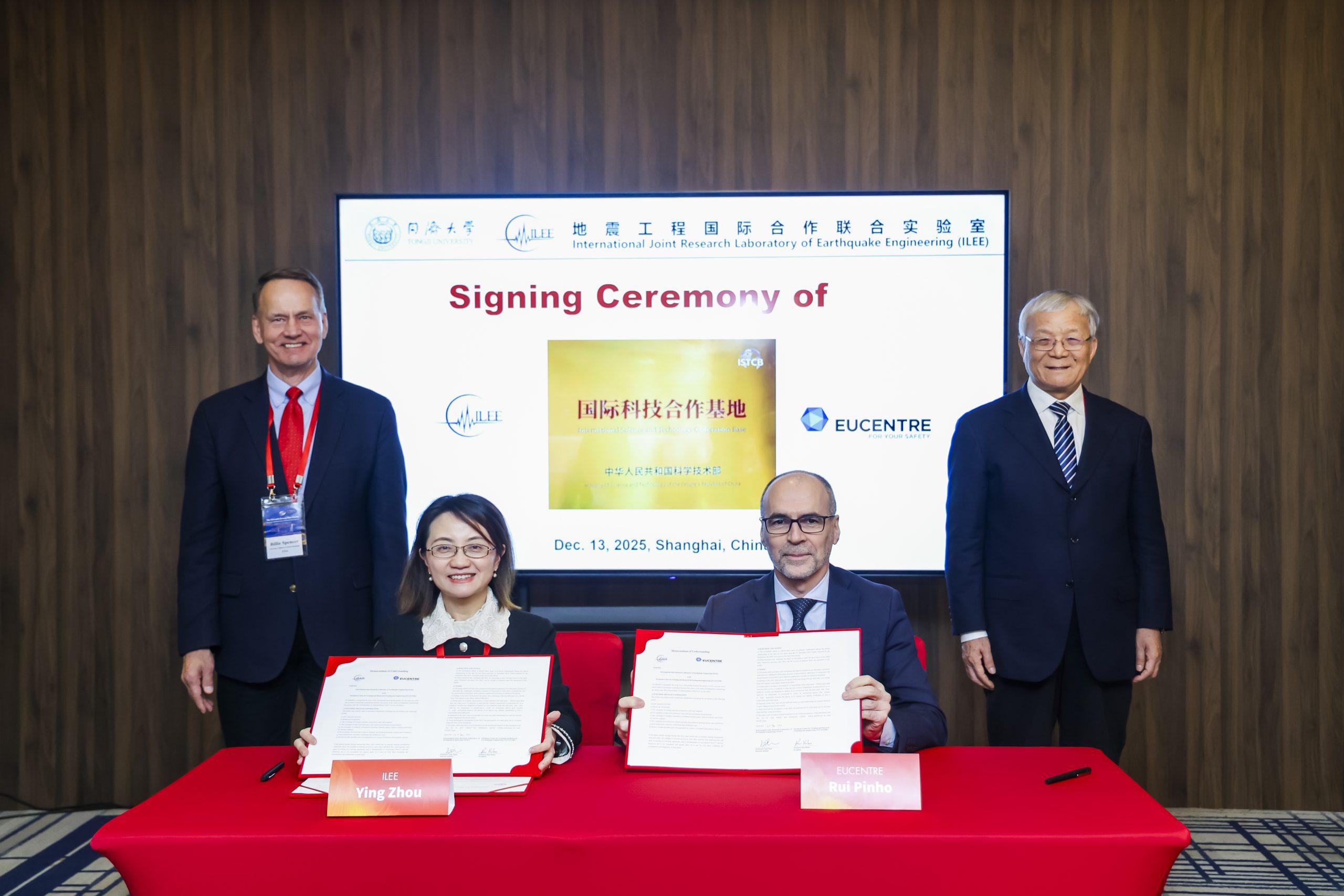
From December 12th to 15th, Shanghai hosted the 11th Kwang-Hua Forum on Innovations and Implementations in Disaster Resilience Research, one of the most important international events in the field of civil engineering and disaster risk reduction. The event, hosted by Tongji University through the College of Civil Engineering and the International Joint Research Laboratory of Earthquake Engineering (ILEE), brought together around 500 researchers, academics, and experts from universities and research centres worldwide.
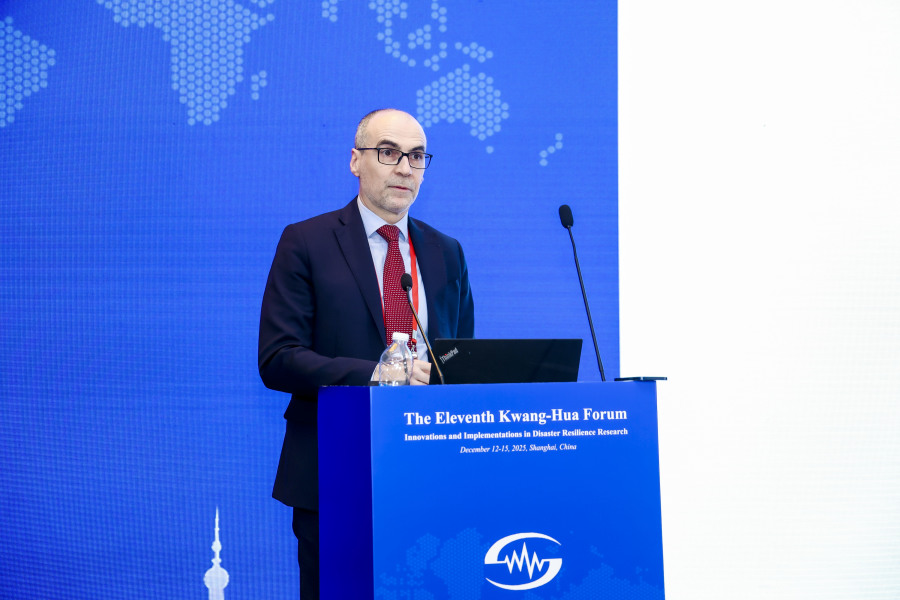
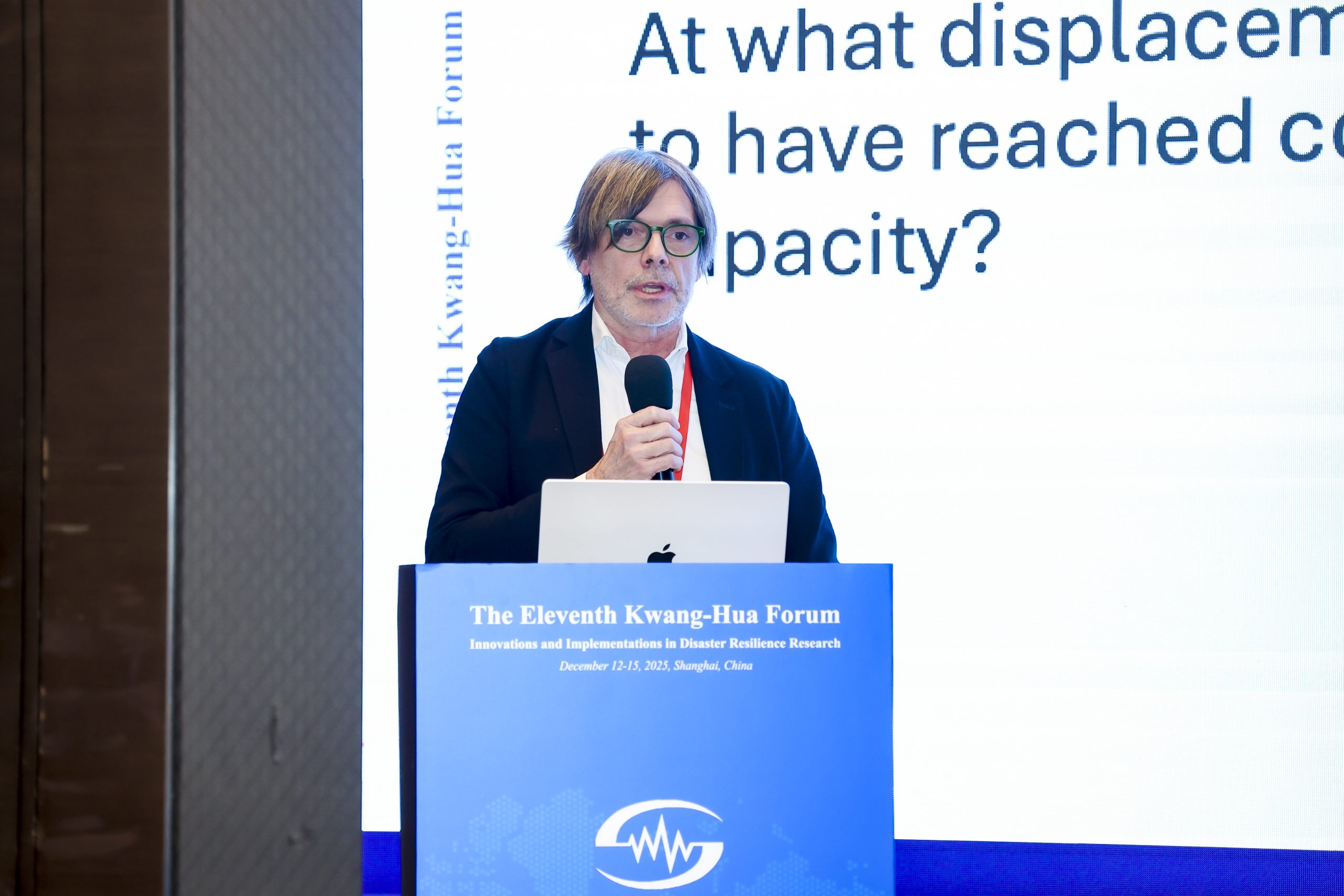
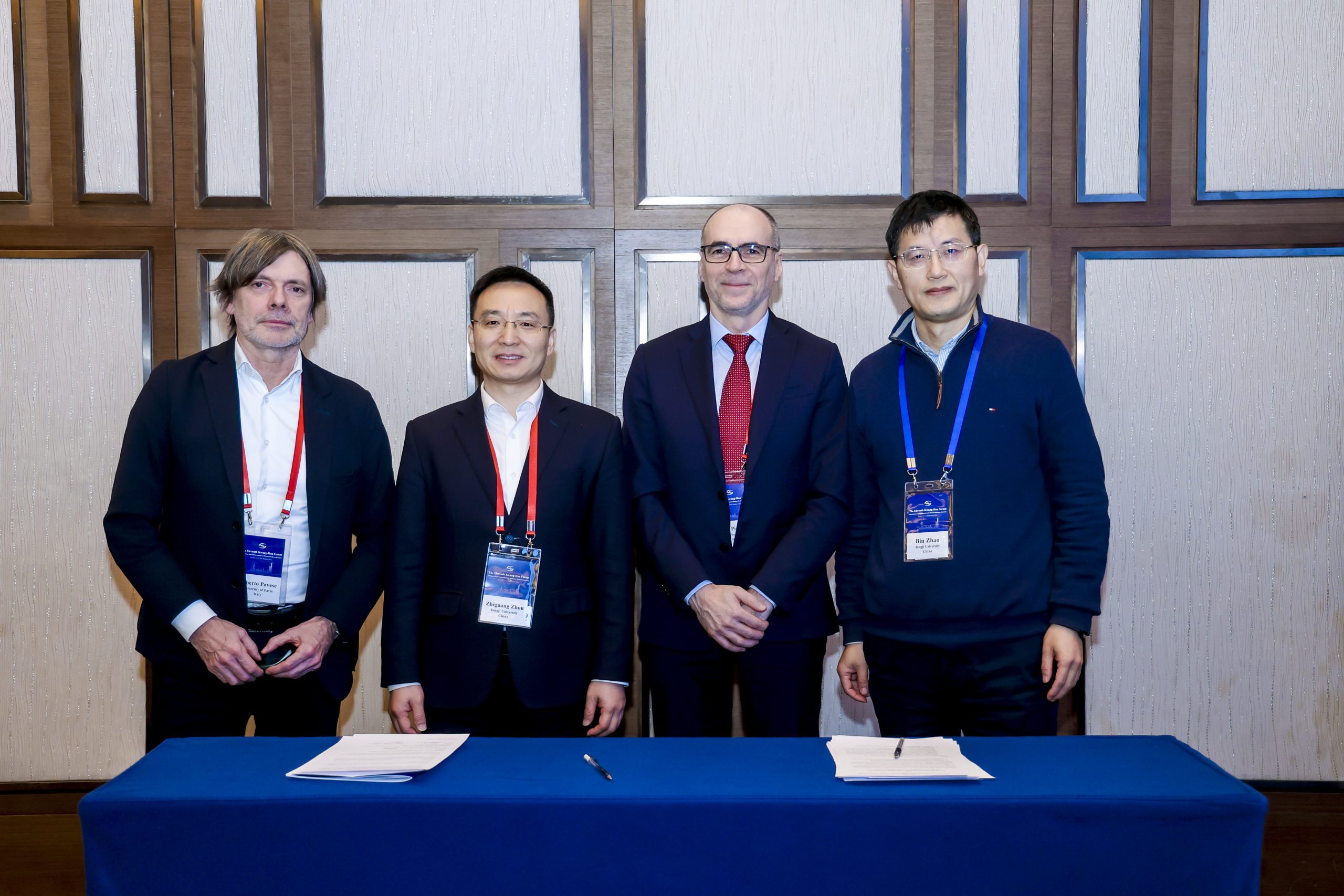
The President of Eucentre, Prof. Rui Pinho, and Prof. Alberto Pavese also participated in the 2025 edition of the Forum, confirming the Foundation’s active contribution to the international scientific debate on infrastructure resilience, earthquake engineering, and technological innovation applied to the management of natural hazards.
From earthquake engineering to multi-hazard resilience
The 11th Kwang-Hua Forum marked a significant shift from previous editions, which had traditionally focused on earthquake engineering in a narrow sense. Indeed, the central theme of the 2025 edition was disaster resilience, understood as the ability of urban and infrastructure systems not only to withstand extreme events but also to ensure rapid functional recovery and continuity of essential services.
Scientific discussion has highlighted the growing adoption of integrated approaches to risk assessment that jointly consider hazards, vulnerability, and exposure. Such methods are being applied to buildings, strategic infrastructure, transport networks, and complex urban systems, placing earthquake engineering within a broader vision of multi-hazard resilience that includes hydrogeological, climatic, and interconnected hazards.