Eucentre is a non-profit private law foundation whose mission is to conduct research and provide training and services in earthquake and safety engineering
  Eucentre promotes science, research and innovation for the benefit of the community, offering targeted methodologies and concrete solutions for prevention, safety and resilience. It collaborates with institutions and companies to disseminate competencies for the common good.
 Eucentre conducts earthquake engineering research and risk reduction studies via laboratory testing and numerical analysis to enhance seismic performance and develop innovative solutions
  Eucentre carries out research activities in earthquake engineering and risk reduction through laboratory testing and numerical analysis, aiming to improve the seismic performance of structures and soils and to develop innovative seismic retrofitting techniques.
 The Foundation promotes diverse and high-quality training activities aimed at academic and professional contexts, with constantly updated and innovative programs and initiatives designed to meet the evolving needs of the sector and society
  Eucentre ensures communication aimed at informing institutions, professionals, and citizens about ongoing activities and projects, with the goal of disseminating useful and accessible content and knowledge. It contributes to promoting a shared and informed culture of prevention and resilience.

Insights from the Assolombarda General Assembly highlight new avenues for collaboration between scientific research and industry. Eucentre stands ready to advance technologies that combine artificial intelligence, rigorous testing, and structural safety.
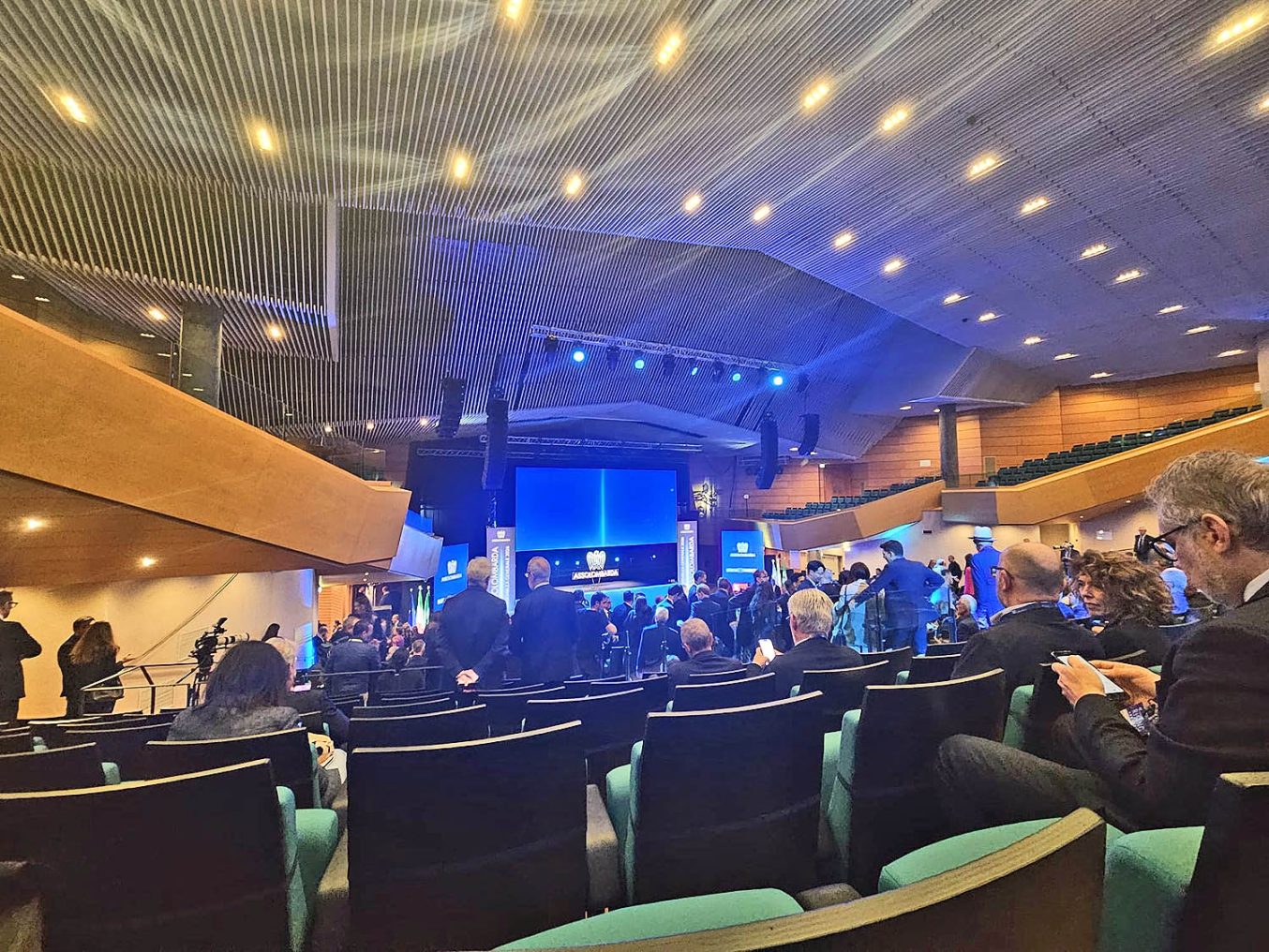
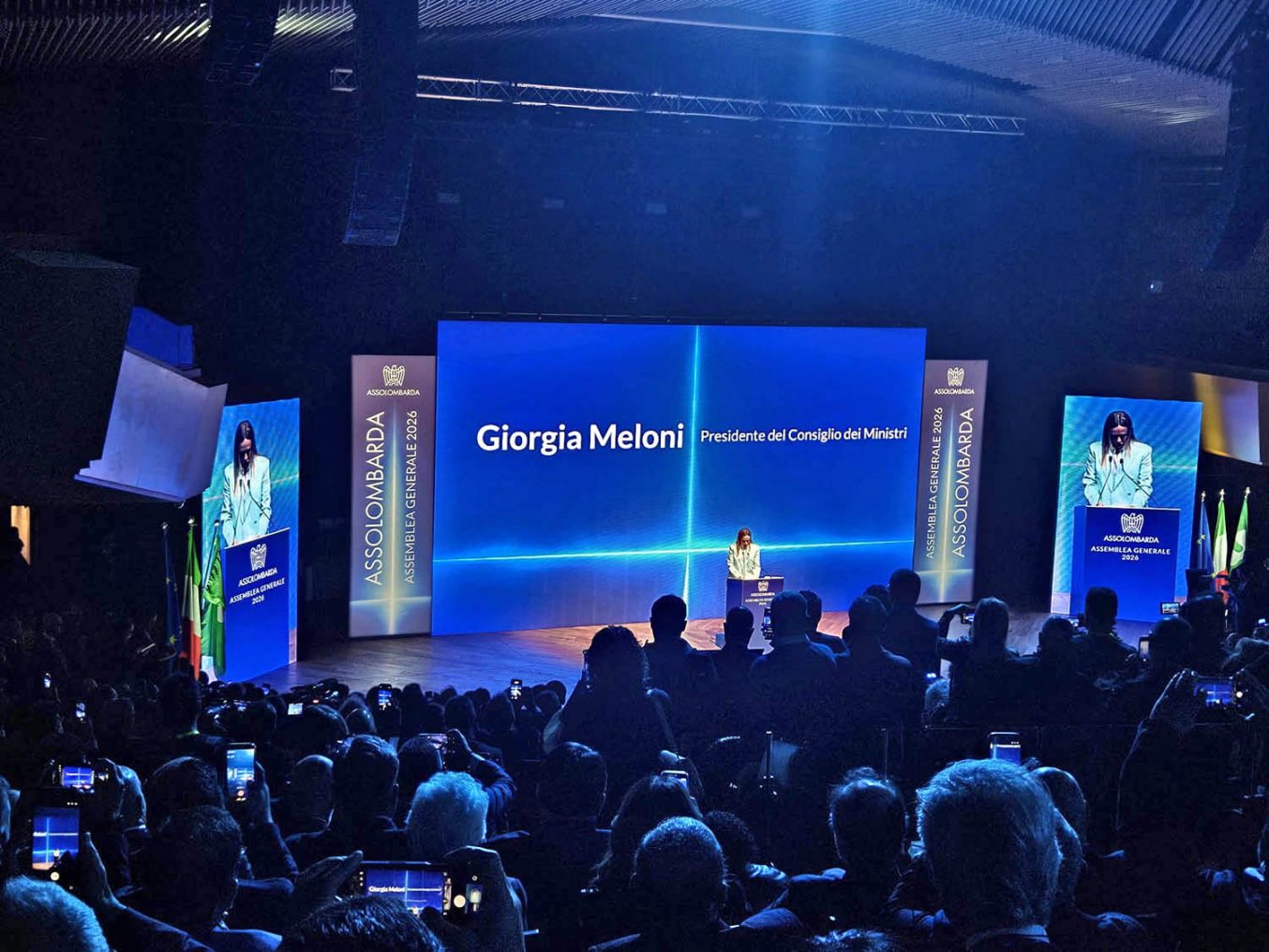
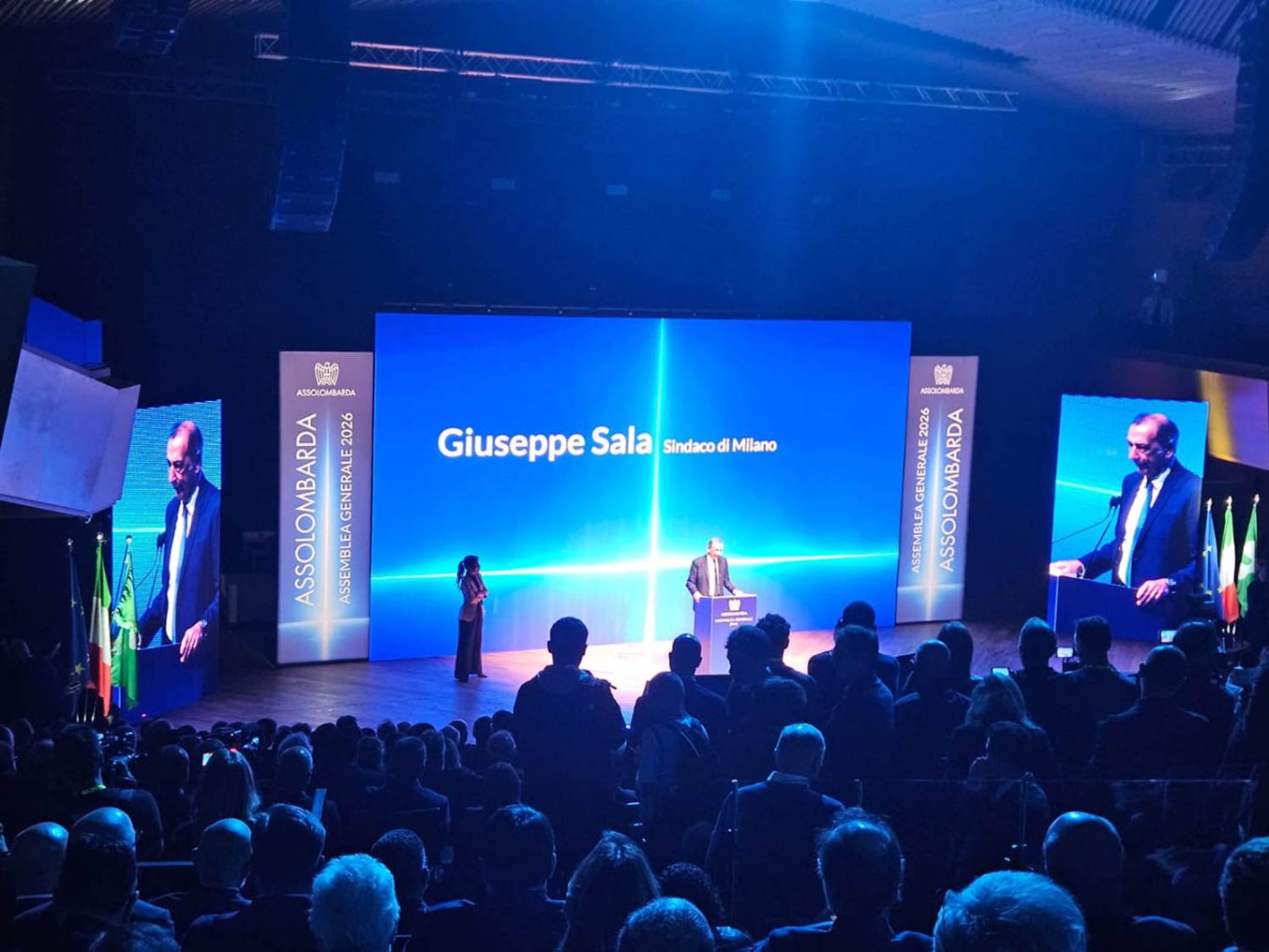
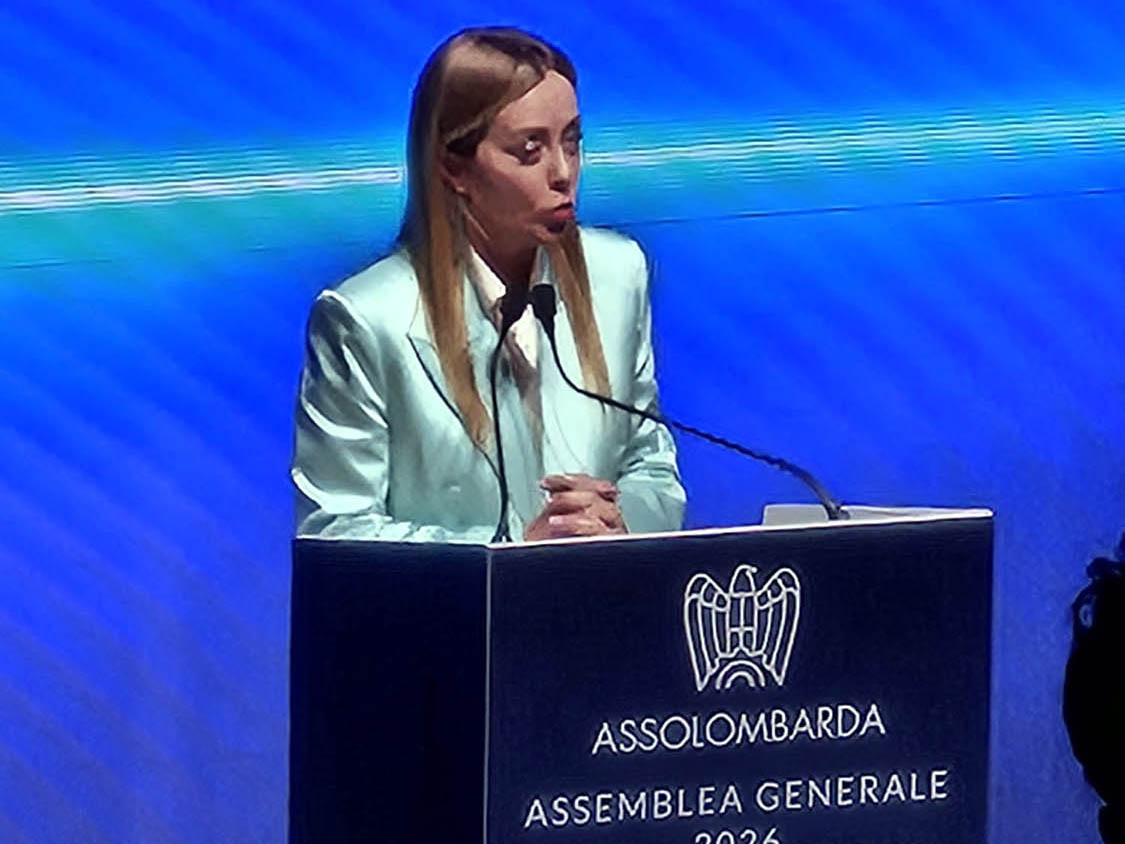
Genuine innovation comes from bridging scientific inquiry, engineering capability, and industrial production. This was a core takeaway from the Assolombarda General Assembly held on 12 October in Milan. During the event, President Alvise Biffi highlighted industrial competitiveness, targeted R&D investments, and the growing importance of Physical AI, artificial intelligence embedded in physical systems and manufacturing environments.
This technological evolution creates significant opportunities for both industry and research institutes. Crucially, these institutions must not only develop emerging algorithms but also lead in their physical experimentation, rigorous validation, and practical deployment.
The Strategic Role of Eucentre: Bridging Numerical Modelling and Physical Testing
In this landscape, Eucentre is positioned to deliver critical value, offering the manufacturing and infrastructure sectors deep expertise in structural engineering, numerical modelling, physical testing, and resilience assessment. This contribution is particularly relevant to Physical AI in scientific research, a discipline where Eucentre is actively engaged and where unifying sensor data, analytical models, and real-world behaviour represents a primary technical challenge.
Benchmarking numerical simulations against empirical test data, examining component response under controlled laboratory conditions, and quantifying performance parameters improve engineering reliability. Consequently, this collaborative approach converts experimental research into practical industrial advantage.
Core operational pillars comprise:
-
Advanced sensor networks: deploying instrumentation for continuous, real-time data acquisition.
-
Numerical modelling and digital twins: executing predictive simulations verified against empirical physical behaviour.
-
Dynamic and cyclic testing: carrying out laboratory procedures to confirm system integrity, safety, and operational resilience.
Strengthening the Pavia Regional Innovation Ecosystem
These development trajectories align closely with the findings of the report The Pavia Innovation Ecosystem (Research Report no. 03/2026, published by Assolombarda), available in the Italian language. The study underlines both the caliber of scientific expertise across the Pavia region and the need to strengthen direct relationships among universities, research foundations, established enterprises, and technology spin-offs.
For Pavia, the priority is to convert this institutional knowledge into structured partnerships, technology transfer, and sustainable industrial growth. Meeting this objective requires shared initiatives that link local experimental infrastructure and create efficient channels between academic research and commercial applications.
In this context, Eucentre serves as a key scientific partner, facilitating the integration of advanced technologies through rigorous engineering verification and validation. High-potential synergies include:
-
Continuous infrastructure monitoring and specialised sensor deployment;
-
Advanced processing and interpretation of dynamic experimental datasets;
-
Calibrating and validating autonomous systems engineered for demanding physical environments.
From Applied Research to Commercial Deployment: Validating Artificial Intelligence
The overarching goal is to foster partnerships that connect industrial operational challenges with Eucentre’s testing and analytical capabilities, establishing technology demonstrators, pilot projects, and sustained knowledge transfer.
Physical AI represents an ideal strategic intersection: machine learning reaches its full engineering potential when grounded in physical laws, high-integrity data streams, and robust empirical validation.
Eucentre remains dedicated to connecting academic research, industrial organisations, and emerging technologies, cementing Pavia’s status as a technological hub capable of transforming theoretical science into tangible industrial solutions.
Future market competitiveness will not rely solely on designing innovative digital tools but on proving, calibrating, and validating them for high-stakes operational environments. In closing the gap between laboratory simulation and physical reality, Eucentre provides the decisive standard.