Eucentre is a non-profit private law foundation whose mission is to conduct research and provide training and services in earthquake and safety engineering
  Eucentre promotes science, research and innovation for the benefit of the community, offering targeted methodologies and concrete solutions for prevention, safety and resilience. It collaborates with institutions and companies to disseminate competencies for the common good.
 Eucentre conducts earthquake engineering research and risk reduction studies via laboratory testing and numerical analysis to enhance seismic performance and develop innovative solutions
  Eucentre carries out research activities in earthquake engineering and risk reduction through laboratory testing and numerical analysis, aiming to improve the seismic performance of structures and soils and to develop innovative seismic retrofitting techniques.
 The Foundation promotes diverse and high-quality training activities aimed at academic and professional contexts, with constantly updated and innovative programs and initiatives designed to meet the evolving needs of the sector and society
  Eucentre ensures communication aimed at informing institutions, professionals, and citizens about ongoing activities and projects, with the goal of disseminating useful and accessible content and knowledge. It contributes to promoting a shared and informed culture of prevention and resilience.
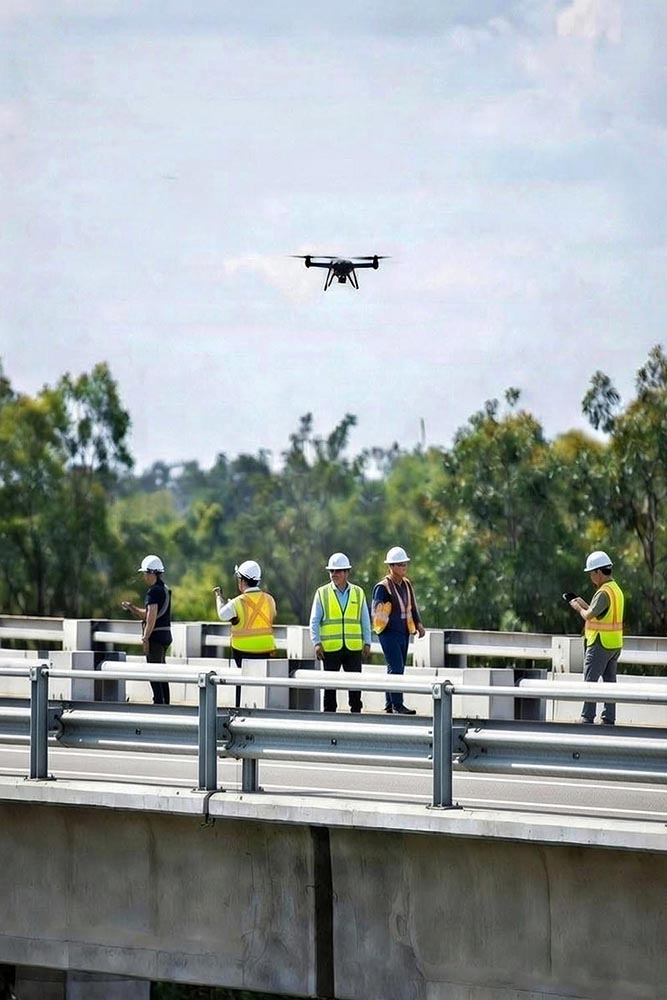
Structural monitoring is a multidisciplinary field that requires expertise in structural engineering, electronics, and information technology. The Eucentre Foundation has many years of experience in designing and implementing optimised, customised monitoring systems for buildings, infrastructure and industrial plants, offering solutions tailored to specific customer requirements.
Eucentre’s platforms support both short- and long-term monitoring operations, integrating traditional electrical sensors, such as accelerometers and strain gauges, with state-of-the-art wireless, fibre optic and satellite (GNSS) technologies. Acquired data can be processed locally or in the cloud and used in numerical models to assess structural safety and plan possible interventions.
A real-time monitoring system is often indispensable for effectively managing emergency situations. In some cases, such as with RIR systems, it is required by international regulations. With the right expertise and a modest investment, these systems can be adapted for continuous structural monitoring or to provide an early warning in the event of an earthquake.
Monitoring enables the state of the structural system to be characterised and any degradation or changes in dynamic properties to be detected, both globally and locally, even after events such as industrial accidents. Advanced data analysis techniques can be used to develop predictive maintenance plans based on continuously acquired data, offering an alternative to the traditional scheduled maintenance approach.
Eucentre supports customers throughout the entire process, from the detailed design of the monitoring system and software development for data analysis and interpretation to installation and testing. It also designs decision support systems (DSS) for facility and infrastructure managers, incorporating advanced seismic early warning functions. These systems include the installation of seismic stations, real-time monitoring, pre-alert algorithms, and the calculation of warning thresholds. The risk-based DSS take into account the seismic response of the system to be protected.
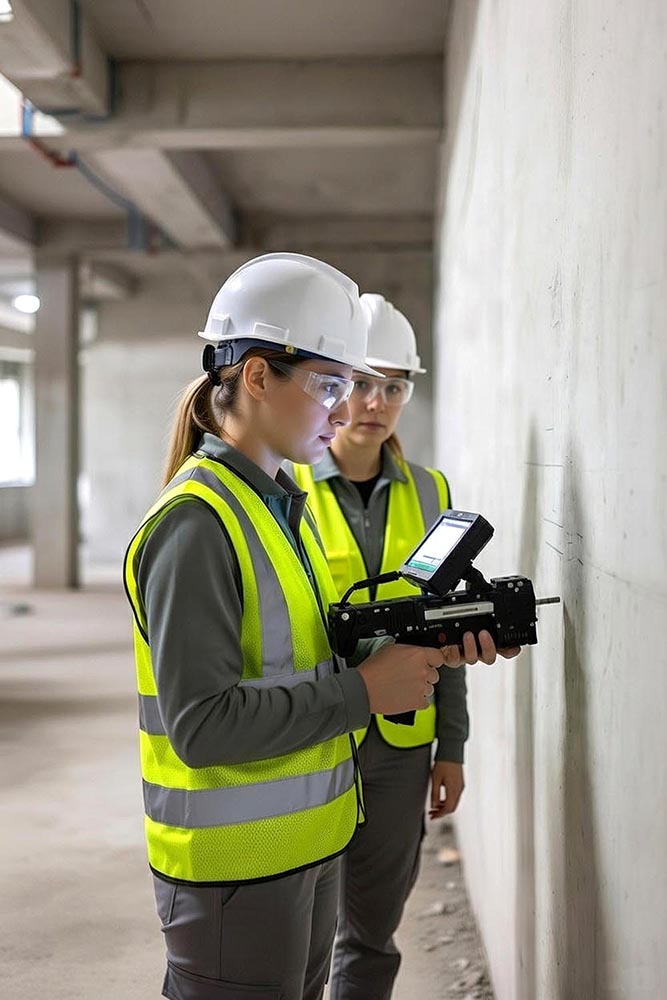
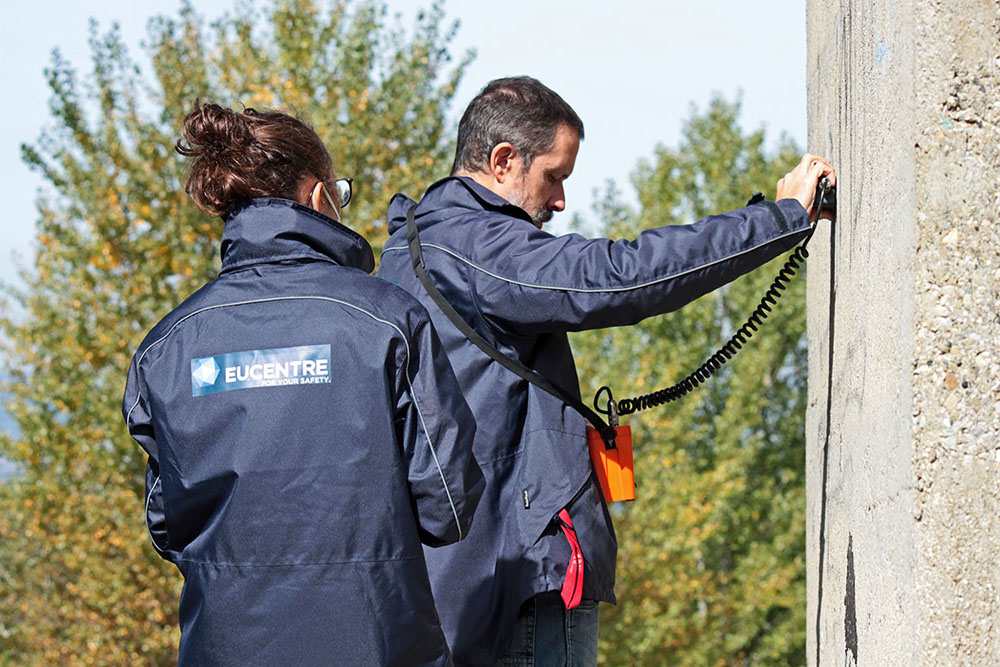
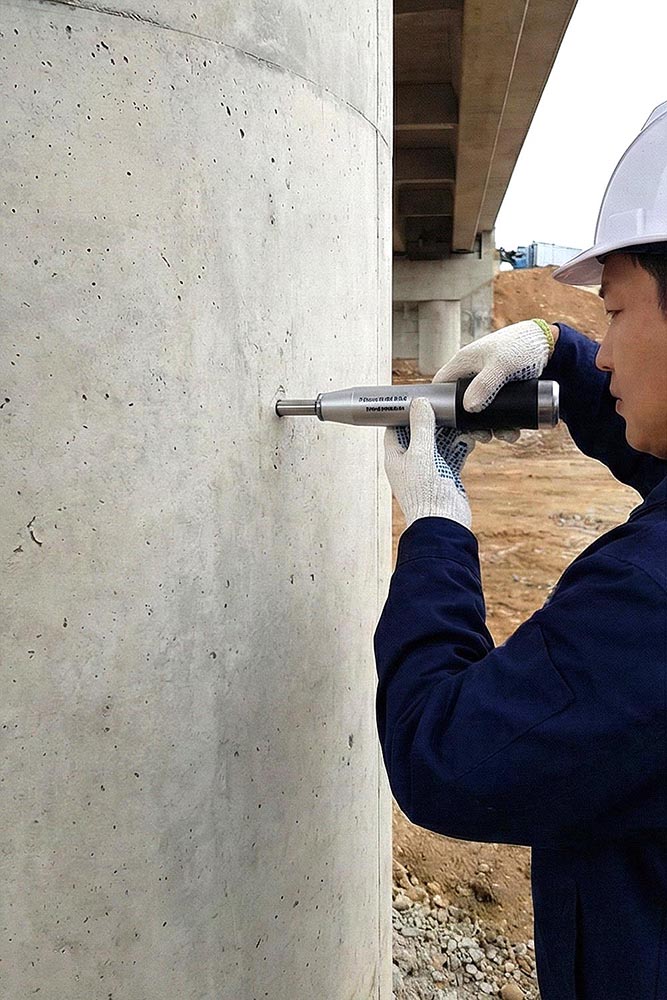
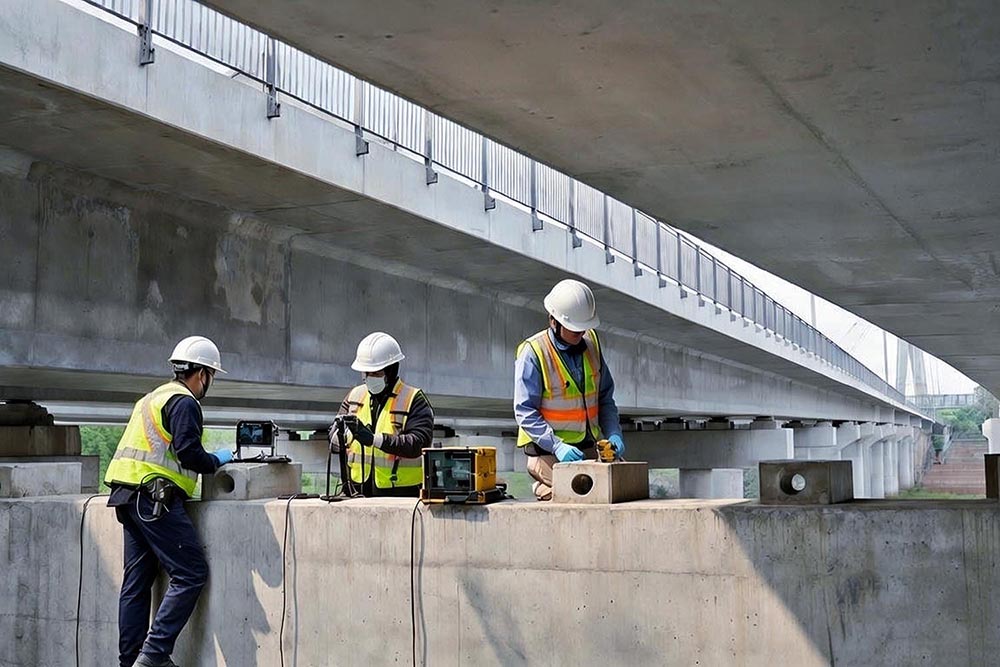
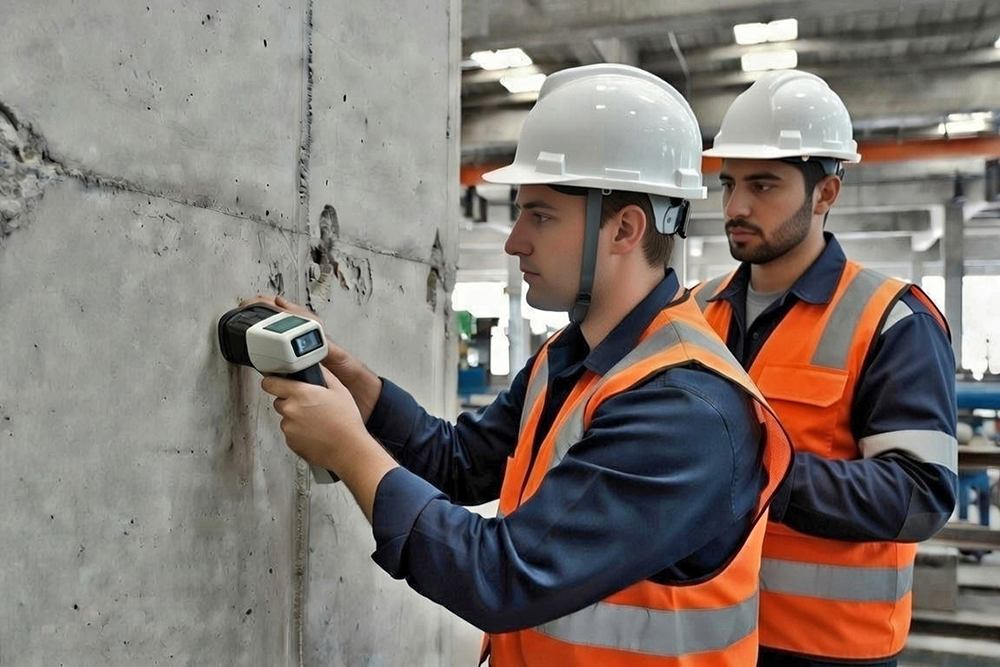
The mechanical characterization of materials is a fundamental process for acquiring information about structures, monitoring their state of conservation, and predicting their performance. This process can be carried out through destructive tests, such as core drilling and flat jacks, or, alternatively, through non-destructive inspections.
Non-Destructive Testing (NDT) consists of examinations that make it possible to assess the characteristics of a material without altering it or removing samples, thus preserving the integrity of the component and reducing costs and time compared to destructive techniques.
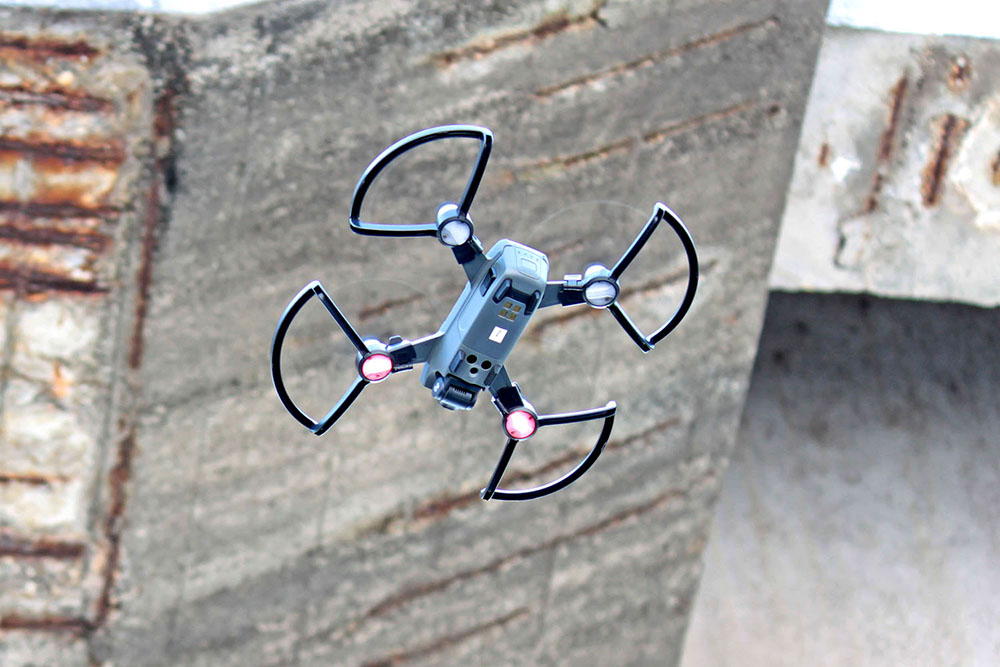
Among the most common tools for non-destructive inspections, the Foundation uses advanced techniques such as ultrasound, vibration analysis, electromagnetic induction, thermography, endoscopy, strain measurement, level measurement, interferometry, and tomography. Each method has specific applications and makes it possible to detect defects or variations in mechanical properties, contributing to the evaluation of structural performance.